
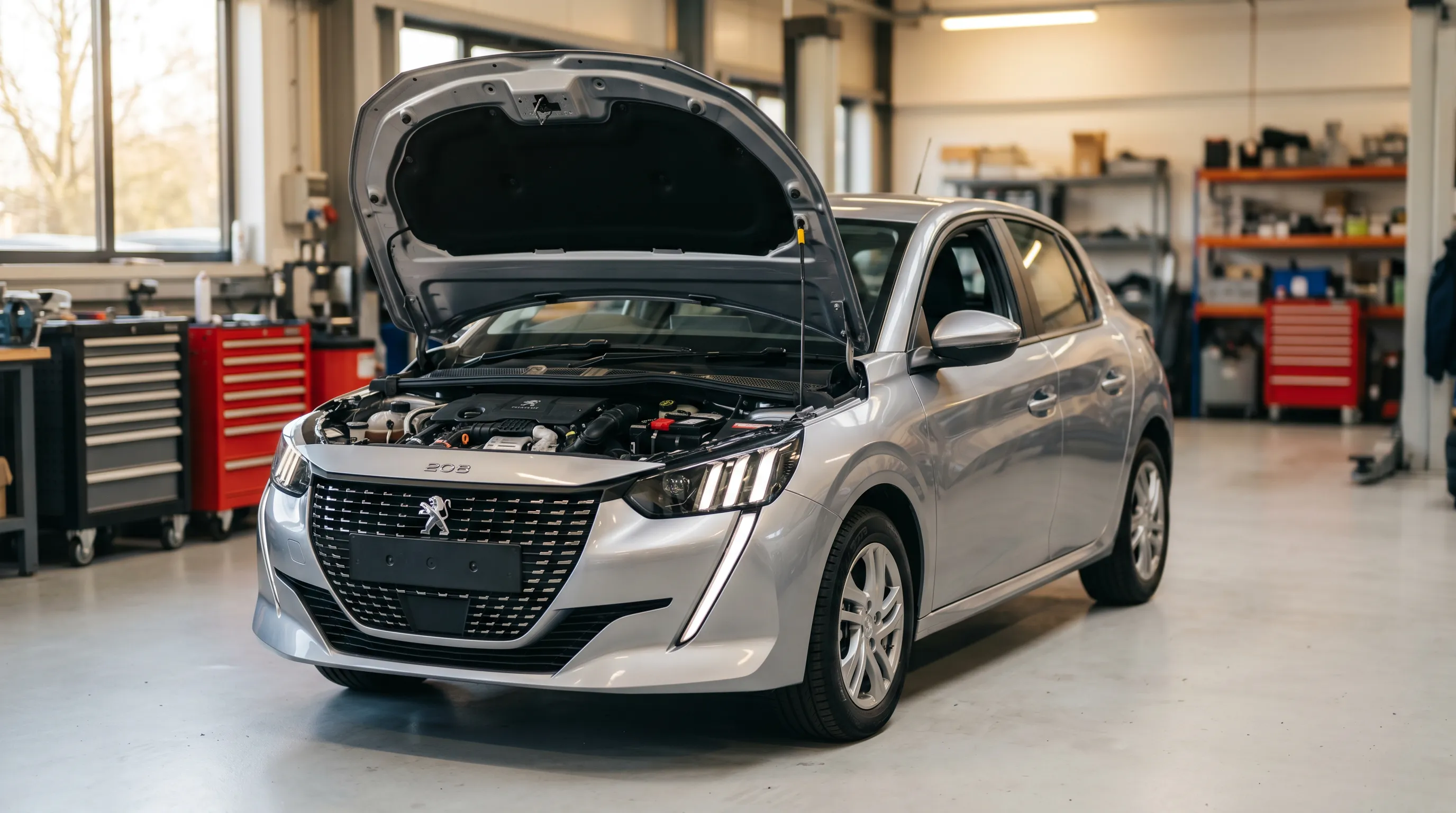
Peugeot 208 Problems: SA Owner's Troubleshooting Guide

Key Takeaways
| Problem | Main Symptoms | Possible Causes |
|---|---|---|
| Wet Timing Belt Failure (1.2 PureTech) | Oil pressure light, ticking from timing cover, oil consumption, limp mode | Submerged rubber belt swells in fuel-diluted oil, sheds particles, blocks oil-pump pickup |
| Brake Vacuum Pump Recall | Rock-hard pedal, grinding from top of engine, reduced stopping power | Vacuum pump damaged by cog-belt material abrasion on March 2013 – April 2017 1.2 turbo cars; EU recall published November 2020 |
| Infotainment Touchscreen Failure | Frozen Peugeot logo, ghost touches, random reboots, black screen | Underspecced processor, weak 12V battery, USB library overload |
| ETG / EGC Jerky Shifts | Head-nod on every upshift, long pause from standstill, limp mode, no Reverse | Robotised manual actuator hydraulics leak, TCU loses clutch-engagement point |
| EAT6 Aisin Auto Harsh Shift | Bang on 2-to-3 shift, 'Gearbox Fault' limp mode, juddering at creep | Aged ATF; 'sealed for life' is wishful thinking |
| 1.6 HDi DPF / EGR / Turbo | 'DPF full' warning, black smoke, turbo not spooling, rising oil level | Short-trip city use prevents regen; soot clogs EGR and sticks VGT vanes |
| Electrical Gremlins — BSI / Battery Drain | Flat battery after short drive, cascading dash warnings, ghost alarms | BSI fails to sleep, water ingress in fuse box, shunt fuse corrosion, parasitic drain |
The Peugeot 208 is one of the most common Peugeots on South African roads. This guide covers the seven problems most often reported across the 208 model range, with indicative rand ranges (not quotes) and the recalls worth checking against your VIN. Covers every 208 sold here — Mk1, Mk2, 1.2 PureTech, 1.6 HDi, GTi, ETG automated manual and EAT6 Aisin auto.
1. Wet Timing Belt Failure
If you own a 1.2 PureTech 208, this is the one to worry about. The wet belt is the single biggest reliability red flag on the modern Peugeot range, it destroys engines, and the compensation scheme does not cover SA cars. The belt runs across the whole first- and second-generation PureTech family — the turbocharged, direct-injection EB2DT and EB2DTS, and the naturally aspirated EB2 / EB2F / EB2FA and 1.0 EB0 as well [2]. If your engine code starts EB, assume it has a belt running in oil and treat it as a service item. Stellantis's warranty extension covers engines produced between April 2014 and 20 June 2022 [3], so earlier cars have the belt but not the cover. From 2023 the Gen3 PureTech (EB2LTED) switched to a chain, but only on the 48V mild-hybrid — non-hybrid PureTech 100 and 130 cars kept the wet belt into 2024-25 registrations, so check the engine code rather than the model year [2].
Symptoms
- Oil pressure warning light — intermittent at hot idle first, then constant
- Ticking or rattling from the timing cover as belt debris enters the oil pump
- Oil consumption creeping above 1 litre per 1,000 km between services
- Rough idle, misfires, loss of power and limp-home mode
- EML with mixed cam/crank correlation and oil-pressure codes
Causes
The EB2 uses a belt submerged in engine oil — Peugeot's answer to friction and noise. Over time the rubber reacts chemically with fuel-diluted oil (short trips and stretched service intervals make it worse), swells, cracks and sheds particles. Those particles are pulled into the oil-pump pickup strainer and block it. Oil pressure collapses and the turbo, camshafts and main bearings starve. When oil pressure drops, the vacuum pump can fail too [2].
Solution
The minimum repair is a full wet-belt kit: belt, tensioner, idler, oil-pump pickup strainer, and a new oil and filter. If oil pressure has already dropped, the oil pump, camshafts and potentially the turbo come with it — engine-rebuild territory. Before anything else, drop the sump plug and cut the oil filter open; visible rubber specks mean the belt is shedding. The revised service interval is 100,000 km or 6 years — down from the roughly 175,000–180,000 km / 10 years originally specified [3]. See our Peugeot timing belt vs chain guide for which 208 engines run which setup.
South African Context
Stellantis extended the PureTech warranty to 10 years / 175,000 km in March 2024 [3], and its compensation portal reimburses 100% of parts and labour up to a coverage ceiling of 10 years or 112,000 miles (about 180,000 km) [1] — both for EU and UK customers only. SA owners are not covered; you fall back on the 5-year / 100,000 km factory warranty or NCC Section 56. Short urban commutes hammer this engine hardest — oil never gets hot enough to burn off fuel dilution.
DIY Difficulty & Cost in SA
A specialist job — 8 to 12 hours with the engine mount disconnected and the crank pulley off. Not realistic DIY unless you have done one before and own the Peugeot timing locking kit. Ask for a quote for the kit and fitting; labour varies by workshop. If the oil pump, camshafts or turbo are damaged, the bill rises steeply.
Sources & User Reports
- Stellantis Media UK — compensation covering 100% of parts and labour up to 10 years or 112,000 miles, European customers only, repairs paid 1 January 2022 to 31 December 2024 [1].
- Drivisual — engine codes EB2, EB2FA, EB2DT, EB2DTS; belt swells in fuel-diluted oil and clogs the pickup [2].
- 208 Owners Club 'Wet Belt issue' thread — owner reporting the belt perished well short of its claimed service life (paraphrased; typical of many reports) [4].
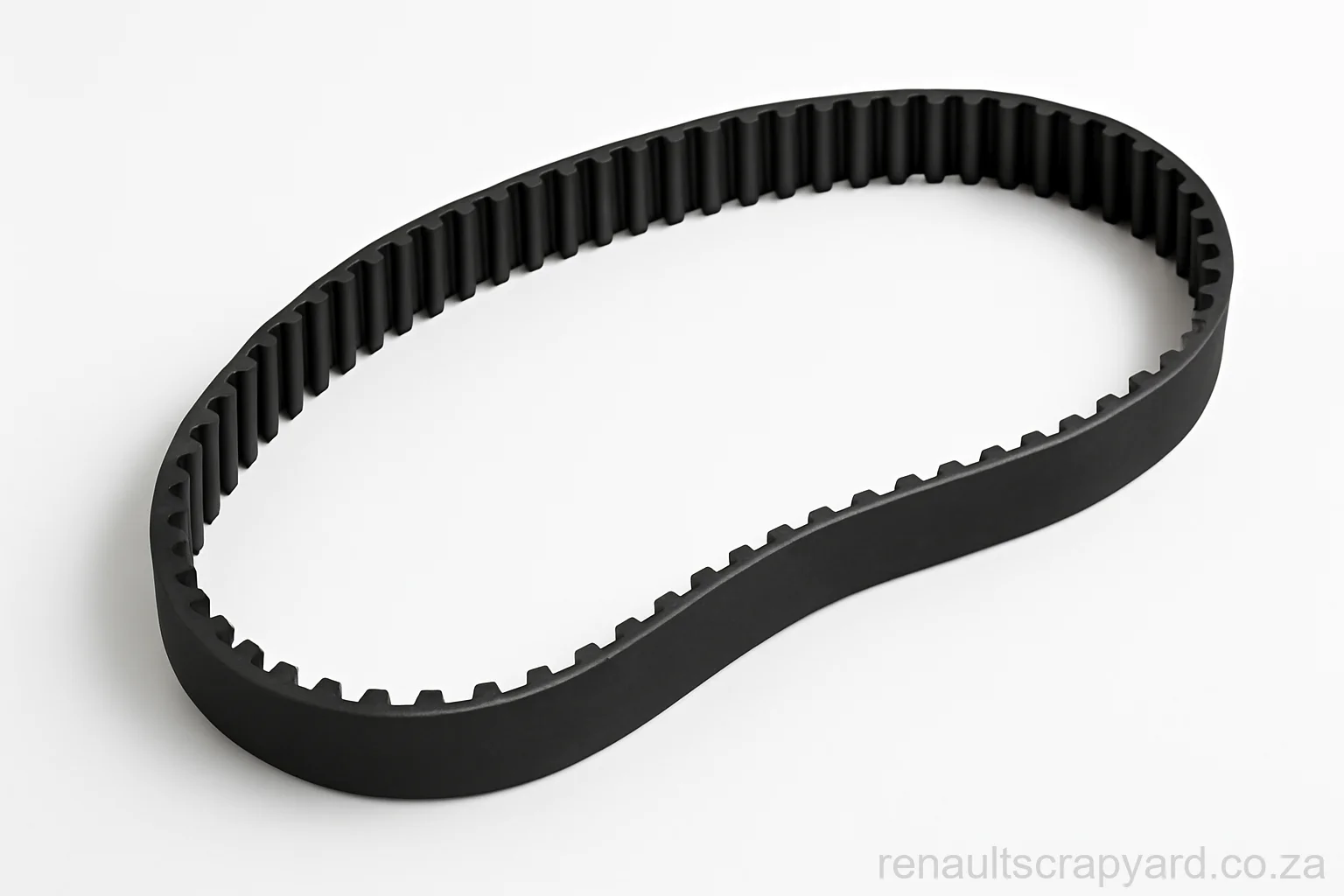
Timing Belt Kits Available
Full PureTech wet-belt kits — belt, tensioner, idler, oil-pump pickup strainer and sump gasket — OEM and quality aftermarket for every 208 1.2 engine.
2. Brake Vacuum Pump Recall
If your 208 has a 1.2 PureTech turbo and was built between March 2013 and April 2017, it may be covered by the brake vacuum pump recall published on the EU Safety Gate in November 2020 (alert A12/01505/20) [16]. The pump that provides suction to your brake servo can fail, and when it does the pedal goes rock-hard and stopping distance balloons. Whether Peugeot South Africa ran the same campaign on local cars could not be verified, so get a dealer to check your VIN.
Symptoms
- Brake pedal feels hard — you press harder but the car does not slow as expected
- Grinding or whirring noise from the top of the engine, behind the pump
- 'Braking fault' warning on the dashboard in some cases
- In advanced cases, total loss of brake servo assistance
Causes
The recall notice says the vacuum pump can be damaged by abrasion of the cog-belt material, so braking assistance can be reduced or lost [16]. With no suction the booster cannot multiply your pedal effort. For the wider picture on Peugeot stopping systems see our guide to common Peugeot brake problems.
Solution
Your first move is a VIN check against Peugeot's recall tool at peugeot.co.za/owners/maintain-your-car/recall.html. If the VIN is covered, the authorised dealer does the recall work free of charge. Out-of-recall scope means replacing the pump assembly and inspecting the wet belt for debris. After any vacuum work, bleed the brake hydraulics and road-test with hard stops from 60 km/h to confirm servo assistance.
Safety-Critical Warning
If your pedal has gone hard even once, do not drive the car until it has been inspected. The recall was issued because loss of brake assistance increases the risk of an accident [16]. Call Peugeot SA customer care on 0860 738 472 to confirm VIN status.
DIY Difficulty & Cost in SA
A pump swap is a 2-3 hour job with basic tools if you are comfortable around the timing cover. If your VIN is covered by the recall it costs R0 at the authorised dealer. Indicative ranges only, not quotes; prices vary by condition, mileage, supplier and labour rate. Out-of-recall: R1,200 – R2,800 for an aftermarket pump assembly and R3,000 – R6,000 fitted. Always pull the service history first — the recall work may already have been done.
Sources & User Reports
- Rappel Conso (French government recall register) — EU Safety Gate alert A12/01505/20: 1.2 turbo petrol cars built March 2013 – April 2017, vacuum pump damaged by cog-belt material abrasion [16].
- Peugeot Forums 'vacuum pump problem' thread — rock-hard pedal at a traffic light, VIN confirmed under the recall, fixed free (paraphrased) [5].

Brake Vacuum & Booster Parts Available
Genuine and aftermarket brake vacuum pump assemblies, booster units and cog-belt drive couplings for 1.2 PureTech 208s.
3. Infotainment Touchscreen Failure
The 7-inch touchscreen on the 208 — whether Mk1 2012-2019 or early Mk2 2019-2022 — is a known weak point — troubleshooting guides cover frozen and unresponsive screens and black screens [7]. There is no current survey score for the car itself — What Car? says there were too few examples of the latest 208 for accurate data, so it did not feature; Peugeot as a brand placed 19th of 31 with 90.3% in the 2024 What Car? Reliability Survey [6].
Symptoms
- Screen freezes on the boot-up Peugeot logo and never comes back
- Touch inputs register on the wrong area of the screen — ghost touches
- Complete black screen with no radio, CarPlay, Android Auto, sat-nav or climate shortcuts
- Random reboots mid-drive
- Bluetooth and USB pairing drops repeatedly, sometimes losing the paired device list
Causes
The head unit processor is chronically underspecced for the software load, and memory fills with stale cache. Firmware patches help but cannot fix a hardware bottleneck. Accelerants: a weak 12V battery (voltage dips during cranking corrupt the unit) and large USB music libraries on FAT32 sticks. Load-shedding also does silent damage — cars left undriven suffer deeper battery discharge, and the next cold-start voltage dip is when the head unit gives up.
Solution
- Press and hold the power button on the head unit for 10 seconds — or power plus volume-up for 10-15 seconds — to force a reboot [7]
- BSI reset: ignition off, close doors, wait 3 minutes, disconnect the battery negative for 10 minutes, reconnect
- Ask a Peugeot dealer to run the latest firmware update
- Check 12V battery voltage under cranking load — anything under 10.5 V needs a new battery first
- If the screen is still dead or ghost-touching after firmware, the touch-digitiser or head unit needs replacement
Load-Shedding Warning
If your 208 sits for three or four days during long load-shedding blocks, the battery can drop below the voltage the head unit tolerates on cranking. Fit a CTEK-style smart maintainer on the 12V if the car is not driven at least every second day — prevents touchscreen corruption and stop-start battery failure in one.
DIY Difficulty & Cost in SA
The reboot is a 30-minute DIY job. Ask the dealer what a firmware update costs. Indicative ranges only, not quotes; prices vary by condition, mileage, supplier and labour rate. For a replacement OEM head unit coded and fitted at the dealer, ask for a quote; used / aftermarket units are closer to R8,500 – R14,000. Always try firmware and a battery check first — a weak battery can be the real problem.
Sources & User Reports
- Autoguide — 10-second power-button reboot procedure and diagnostic steps [7].
- What Car? — Peugeot 19th of 31 with 90.3% in the 2024 Reliability Survey; the latest 208 had too few examples to feature [6].
Electrical & Head Unit Parts Available
Used and aftermarket 208 head units, touch-digitisers and interface modules — VIN-matched.
4. ETG / EGC Jerky Shifts
Mk1 208s (pre-2018) with the 5-speed ETG, also badged EGC, feel broken when they are actually working as designed — just badly. Fitted to 1.2 VTi, 1.4 e-HDi and some early 1.2 PureTech Mk1 autos, it is not a true torque-converter automatic; it is a manual gearbox with an electro-hydraulic actuator doing the clutch and shift for you, slowly [8]. Mk2 cars moved to the EAT6 / EAT8 and this fault went with it — but a big chunk of the SA used 208 parc is still Mk1 ETG.
Symptoms
- Pronounced head-nod jerk on every upshift — passengers ask if something is wrong
- Long pause from standstill as the actuator finds its clutch point; feels like stalling
- 'Gearbox Fault' warning and limp mode locked in one gear
- Grinding or rattling from the bellhousing at idle in gear — release-bearing failure
- Can't select Reverse or Drive; selector feels completely dead
Causes
The ETG uses a hydraulic actuator to replace your left foot and right hand. The throttle-cut plus clutch-engage sequence is slow and calibration-sensitive, which is the jerk you feel. Over time the actuator seals leak, the pump wears, and the TCU loses its learned clutch-engagement point. A reset with DiagBox sometimes restores it — often the actuator needs rebuilding.
Solution
Start free: ask a Peugeot specialist to run a clutch-engagement-point self-learn with DiagBox. If that fails, the actuator seals and pump are rebuilt or replaced, and the clutch disc goes in at the same time. A gearbox oil and actuator fluid change every 60,000 km is essential — Peugeot's 'sealed for life' claim does not survive SA heat. Where the fault keeps returning, owners swap the ETG out for a used manual gearbox from a donor car.
Gauteng Traffic Impact
Stop-start city traffic shortens ETG clutch life versus a highway-driven car. If the car was a city runaround, insist on a clutch health check before you sign.
DIY Difficulty & Cost in SA
Not DIY — even experienced mechanics need specialist hydraulic tools and DiagBox. Rebuild fitted: R12,000 – R25,000 including clutch, actuator seals and hydraulic fluid. If the TCU is dead, ask for a quote. A straight clutch replacement on a manual 208 is a gearbox-off job; the ETG adds the actuator work on top.
Sources & User Reports
- TheFatMech — how the EGC's throttle cut produces the jerk on every upshift [8].
- Peugeot Forums 'New 208 Problems' thread — owner likening the ETG to 'a small seizure at every set of traffic lights' (paraphrased) [9].
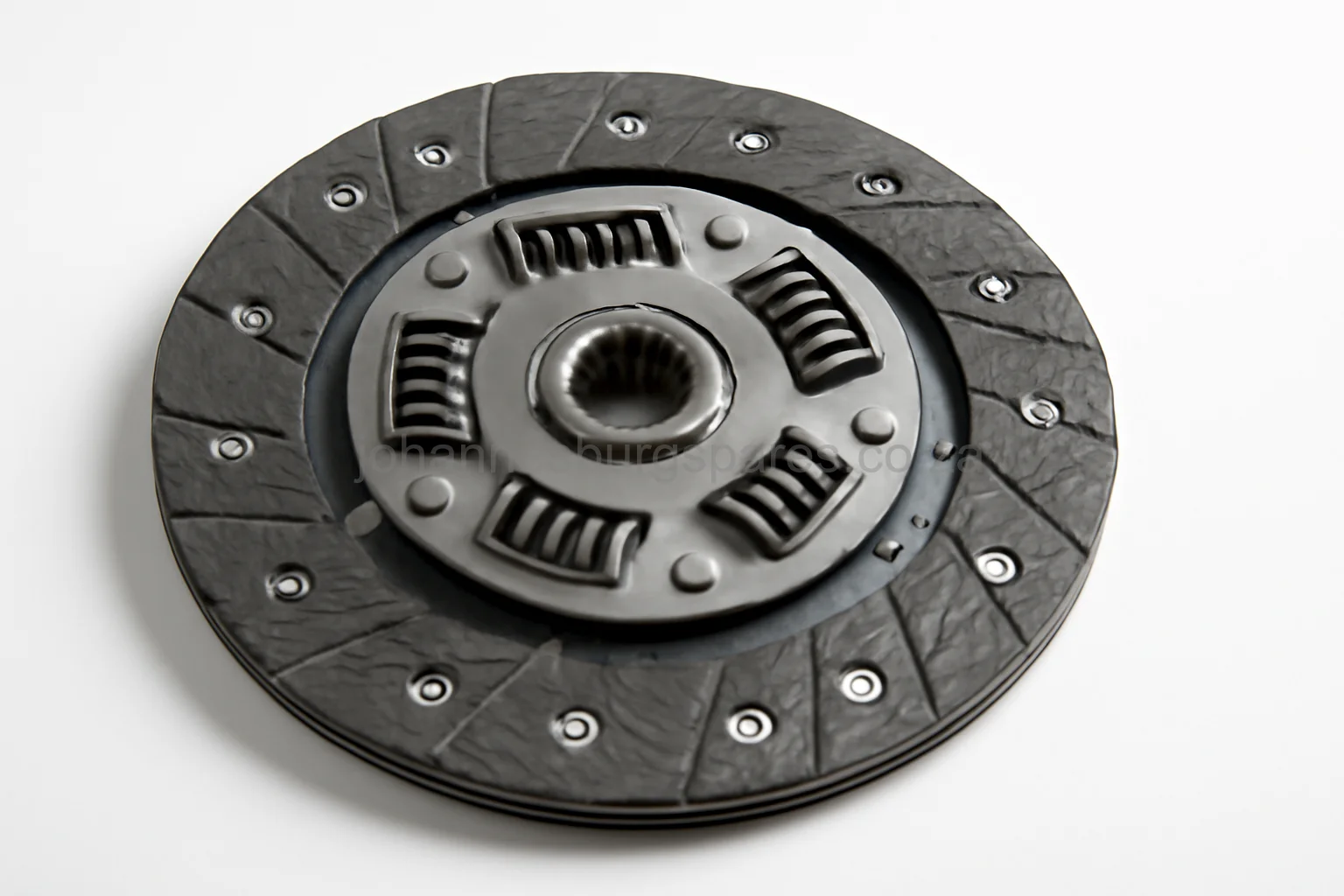
Clutch & Transmission Parts Available
ETG clutch kits, actuator rebuild seals, donor manual gearboxes and TCU modules for every Mk1 208 automated-manual variant on the SA market.
Need Peugeot 208 Parts? Get a Free Quote.
We supply new and used parts for every 208 generation sold in SA — wet-belt kits, brake vacuum pumps, touchscreens, gearbox components, and electrical gear — couriered nationwide.
5. EAT6 Harsh Shift
Peugeot moved 208 auto buyers to the EAT6 — a 6-speed torque-converter built by Aisin, shared across 2008, 3008, 308 and Citroën / Opel cousins. Mechanically a big upgrade over the ETG. But 'sealed for life' is wishful [10]. The related EAT8 is less affected but benefits from the same preventive fluid regime.
Symptoms
- Harsh 2-to-3 and 3-to-4 upshifts — feels like a missed gear followed by a bang
- Brief loss of drive followed by re-engagement thump
- 'Gearbox Fault' warning and reduced-power limp mode stuck in 3rd gear
- Reluctance to kick down on N1 overtakes
- Juddering at low-speed creep in parking and traffic
Causes
The EAT6 is internally robust. Peugeot markets the box as sealed for life; independent gearbox specialists disagree, reporting sludged fluid on higher-mileage examples and recommending regular fluid changes instead [10]. Old ATF is the single biggest accelerant.
Solution
Scan with DiagBox or iCarsoft CR Pro, pull gearbox codes, clear and road-test — often limp-mode incidents cascade from a single spike and the box runs fine after. Step two is a pressurised ATF flush plus new Aisin filter — non-negotiable at 60,000 km. If harsh shifts persist, the valve body is rebuilt with a new solenoid pack and seals, or swapped for a reman unit. Peugeot also releases TCU software updates worth running on warranty cars.
SA Climate Impact
Gauteng summer heat and Durban coastal humidity both shorten ATF service life. For a daily-driven SA EAT6, 50,000 km is a safer flush interval than 60,000.
DIY Difficulty & Cost in SA
Not DIY — an ATF pressure flush needs a flush machine and correct Aisin-spec fluid. Ask for a quote for the flush and filter. A valve-body rebuild, in place or as a reman unit, is almost always cheaper than a full gearbox swap.
Sources & User Reports
- TheFatMech — an independent mechanic recommending regular ATF changes despite Peugeot's 'sealed for life' marketing [10].
- 208 Owners Club 'Slight Gearbox Jerk' thread — an EAT8 owner describing the 2-to-3 shift as a kick in the back, improved by a TCU flash (paraphrased) [11].
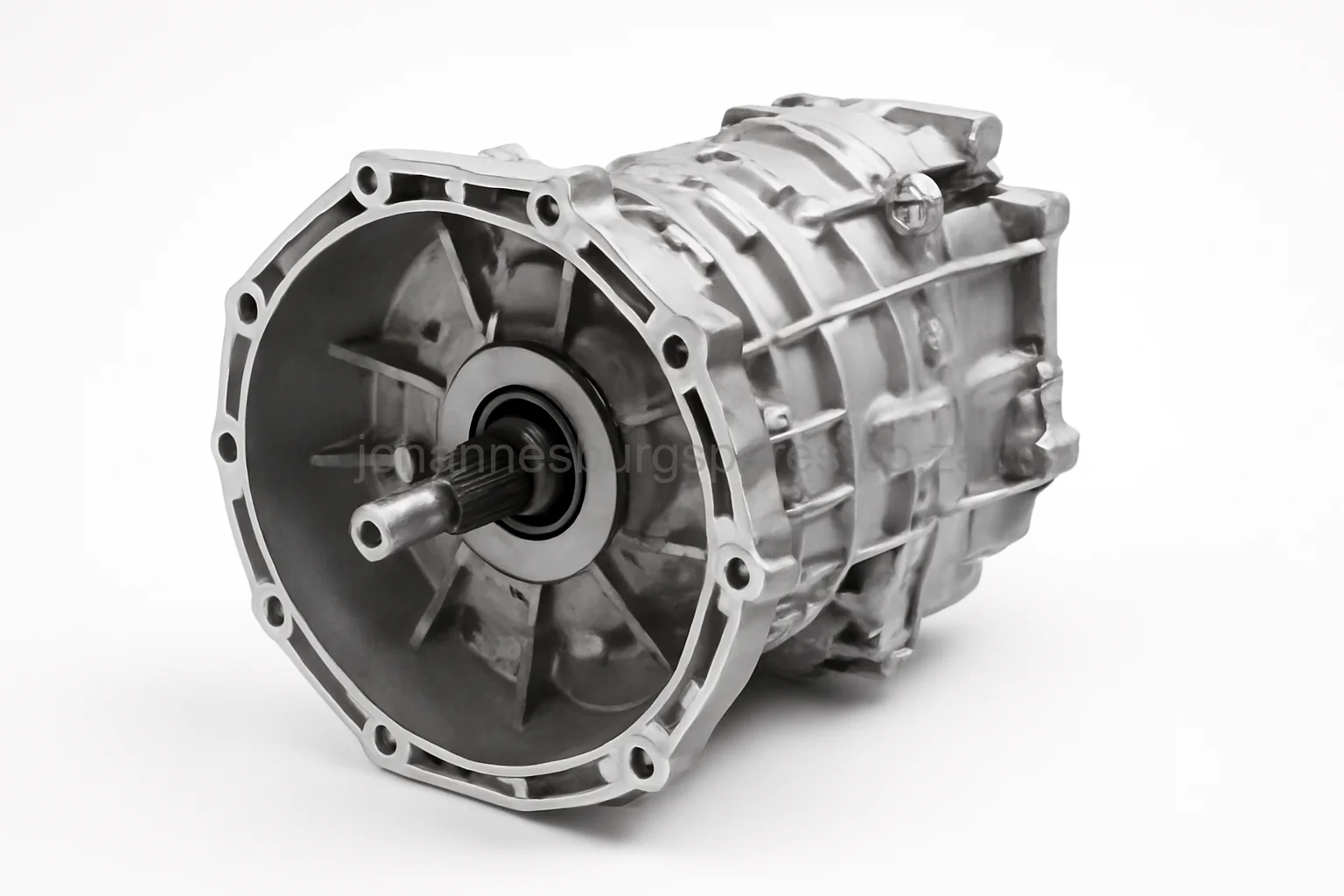
EAT6 Transmission Parts Available
Aisin-spec ATF, filter kits, reman valve bodies, solenoid packs and complete EAT6 / EAT8 gearboxes for every 208 auto variant sold in SA.
6. 1.6 HDi DPF / EGR / Turbo
The Mk1 208 1.6 HDi (DV6C engine) sold in SA 2012-2016 in small numbers, and it shares the same three-headed fault — DPF blocked, EGR clogged, turbo stuck [12]. Shared across 2008, 308, 3008 and Partner, so parts are plentiful — but every DV6C has the same weakness, and the cure is mostly driving habits.
Symptoms
- 'Check Engine' or 'DPF full' warning; car drops into limp mode
- Black smoke on acceleration — either unburned diesel through the DPF or carbon from the EGR
- Loss of boost — turbo not spooling, engine feels naturally aspirated
- Whistle or siren-like noise from the turbo under load
- Rough idle, hot-engine stalls, rising oil level from failed regen diesel dilution
Causes
The DV6C is sensitive to short urban trips. In city duty the DPF never reaches regeneration temperature, fills up, triggers constant active regens that dilute the sump with diesel, and the EGR clogs with soot [12]. The variable-geometry turbo vanes stick shut on carbon deposits. Add non-low-ash oil, stretched intervals and SA fuel sulphur variability and engine life drops hard.
Solution
- Scan for DPF differential-pressure, EGR position and boost-pressure codes
- Forced DPF regen on DiagBox; if more than 80% blocked, remove for ultrasonic / thermal clean
- EGR valve clean or replacement if the stepper motor is dead
- Turbo actuator diagnosis: stuck-vane cleaning versus reman turbo fitment
- Commit to low-ash C2 / C3 5W-30 oil, 10,000 km max interval, and one 30-minute motorway run every week at over 80 km/h to hit DPF regen temperature — the one habit that saves the engine.
Short-Trip SA Commuter Warning
If your weekly driving is a 7 km school run and a Woolworths stop, the 1.6 HDi will eat itself inside three years. Take it onto the N1, N3 or N4 for half an hour every weekend at 100-plus km/h so the DPF can run a full active regen.
DIY Difficulty & Cost in SA
EGR cleaning is a confident-DIY afternoon — 4-8 hours with a small compressor. Turbo work belongs with a specialist. Indicative ranges only, not quotes; prices vary by condition, mileage, supplier and labour rate. 1.6 HDi turbo — our listed price is R3,500 – R9,000. For the EGR, a DPF clean and the fitting, ask for a quote; labour varies by workshop.
Sources & User Reports
- Selectedworld DV6C — engine sensitive to soot in the oil circuit; EGR is the primary source [12].
- 208 Owners Club 'limp mode DPF blockage' thread — common pattern on the 1.6 HDi [13].

Diesel Exhaust & EGR Parts Available
EGR valves, DPF units, reman turbos and exhaust manifolds for every 1.6 HDi 208, 2008, 308 and Partner sold in SA — VIN-matched.
7. Electrical Gremlins BSI Battery Drain
Every 208 over roughly eight years old, and a fair number of early Mk2 cars with unpatched firmware, will eventually fail to sleep properly. The BSI (Built-in Systems Interface) stays awake after lock, drawing current continuously and flattening the battery overnight. Symptoms look random — cascading dash warnings, ghost alarms, intermittent locking — but the root cause is usually the same.
Symptoms
- Car will not wake up in the morning despite a decent drive the night before
- Multiple dash warnings at once (ABS, ESP, airbag) that clear after a BSI reset and return later
- Central locking inconsistent — remote works sometimes, other times only the key
- Ghost alarms at night
- 'Charging fault' warning with a known-healthy alternator (BSI mis-reading voltage through the shunt fuse)
Causes
Common reasons a BSI fails to go to sleep: water ingress into the engine-bay fuse box (blocked scuttle drains are the typical entry path), corroded shunt fuse on the battery negative, a failing BSI board, or an infotainment unit that never enters standby (see Problem 3 — it is all connected).
Solution
- Check and replace the shunt fuse on the battery negative post — a known failure point, R200 part
- Clear scuttle drains below the windscreen to stop water pooling on the BSI tray
- Parasitic drain test: clamp ammeter on the battery negative; should drop below 50 mA after 30 minutes
- If the BSI board is faulty, a module-repair specialist can often re-flash it — cheaper than a new BSI, and it keeps the original key coding
Coastal Owner Alert
Salt-laden coastal air corrodes the shunt fuse connection faster. Replacing a corroded shunt fuse early is cheap insurance against a BSI replacement.
DIY Difficulty & Cost in SA
Reset and shunt-fuse swap are confident-DIY — 1-2 hours with a multimeter and spanners. Full parasitic drain diagnosis is 3-4 hours at a specialist. Indicative ranges only, not quotes; prices vary by condition, mileage, supplier and labour rate. Costs: R200 shunt fuse, R800 – R2,500 diagnosis plus fuse; replacement BSI — our listed price is R2,500 – R5,500, plus coding. Always check the battery before accepting a BSI diagnosis.
Sources & User Reports
- Peugeot Forums 'Battery drain Shunt fuse' thread — shunt-fuse-plus-BSI-reflash as the standard cure (paraphrased) [14].
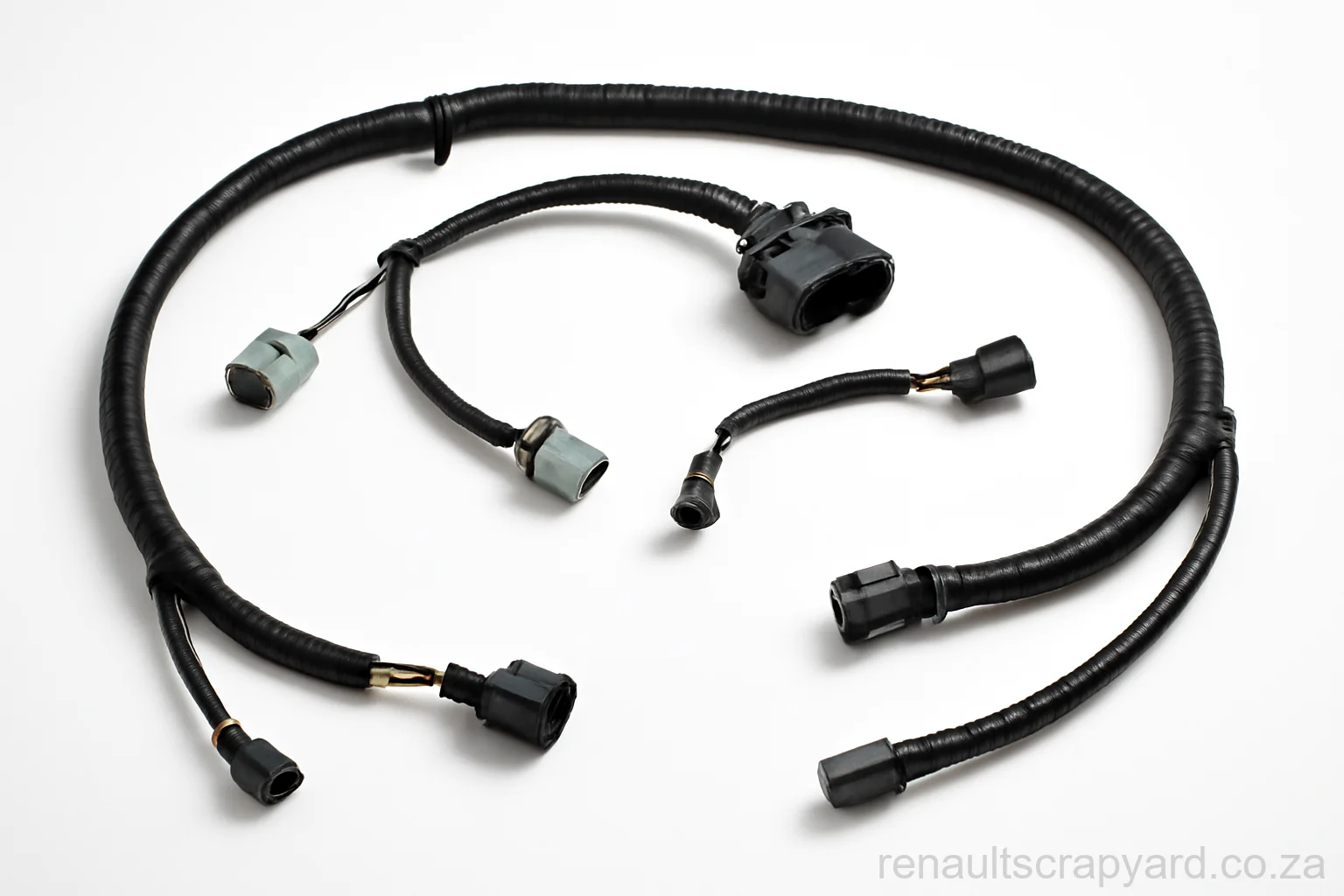
BSI & Electrical Parts Available
Shunt fuses, BSI modules, wiring harnesses, alternators and stop-start batteries — matched to your 208 VIN.
Preventive Maintenance Schedule
Every fault above is predictable, and most are preventable. Stick to the shorter, revised service intervals that Stellantis and the specialist community now recommend — not the longer ones printed in the original manual. Cross-reference with our full 208 maintenance schedule for line-item dealer costs.
| Service Item | Interval | Why It Matters for 208 |
|---|---|---|
| Timing belt (1.2 PureTech wet belt) | 100,000 km or 6 years | Revised down from the roughly 175,000–180,000 km / 10 years originally specified — stretching this is how engines die [3] |
| Timing belt (1.6 HDi DV6C diesel) | 180,000 km or 10 years | Interference engine; missed change means piston-to-valve contact |
| Timing chain (1.6 THP GTi Prince engine) | Inspect at 100,000 km; replace on rattle | Tensioner-driven, listen for cold-start rattle before commit |
| Engine oil + filter (petrol) | 10,000 km or 1 year | Do not stretch on PureTech — fuel-diluted oil accelerates wet-belt degradation |
| Engine oil + filter (1.6 HDi diesel) | 10,000 km or 1 year | C2/C3 low-ash 5W-30 only — non-negotiable for DPF protection |
| Brake fluid | Every 2 years | DOT 4 (DOT 4 LV on GTi and newer i-Cockpit cars) absorbs moisture; soft pedal and fluid boil otherwise |
| Coolant | 112,000 km or 4 years | Inspect every service; SA heat accelerates degradation |
| Spark plugs (petrol) | 20,000 km or 4 years | NGK iridium on EB2; oil seepage in spark plug wells is a yellow flag |
| Air filter + cabin / pollen filter | 20,000 km or 1 year | Halve the interval on dusty rural routes or unpaved driveways |
| Fuel filter (diesel) | 40,000 km or 2 years | SA diesel sulphur variability — err on shorter side |
| EAT6 / EAT8 automatic transmission fluid + filter | 60,000 km | Specialist recommendation overrides Peugeot 'sealed for life'; cheap preventive |
| DPF regeneration drive (1.6 HDi) | Weekly 30-minute motorway run >80 km/h, >2,500 rpm | Prevents the soot-DPF-EGR-turbo cascade on short-trip urban use |
Frequently Asked Questions
Is the Peugeot 208 reliable in South Africa?
Mixed. The 1.2 PureTech wet belt is the single biggest red flag. What Car? rates Peugeot 19th of 31 with 90.3% in its 2024 Reliability Survey, and says the latest 208 had too few examples to be scored at all [6]. SA cars get a 5-year / 100,000 km factory warranty, and the 208 is not on the affected-models list in the January 2026 Stellantis SA Takata campaign — that list covers specific Citroën, DS, Opel, Chrysler, Jeep and legacy Chevrolet models [15]. For an easier life, look for the chain-driven Gen3 PureTech — but go by the engine code (EB2LTED), not the model year, because non-hybrid PureTech cars kept the wet belt after 2023.
How long does a Peugeot 208 timing belt last?
Stellantis's own revised guidance is 100,000 km or 6 years for the 1.2 PureTech wet belt — down from the roughly 175,000–180,000 km / 10 years originally specified [3]. The 1.6 HDi DV6C diesel belt runs on 180,000 km or 10 years. Stretching either is how interference engines become paperweights.
Does the Peugeot 208 have a wet belt?
Yes — every 1.2 PureTech 208 built before the Gen3 change has a belt running in engine oil, turbo or not. That covers the turbocharged EB2DT and EB2DTS and the naturally aspirated EB2 / EB2F, and the 1.0 EB0 uses one too [2]. Only the chain-driven Gen3 PureTech (EB2LTED), introduced in 2023 on the 48V mild-hybrid, does without it — Stellantis redesigned the engine after the wet-belt reputation torpedoed European used-car values. The April 2014 to 20 June 2022 dates you will see quoted are the warranty-extension window [3], not the window in which the belt was fitted.
How much does a Peugeot 208 timing belt cost to replace in South Africa?
Ask for a quote — kit prices and labour vary by supplier and workshop. Whoever does the job, have the water pump and oil-pump pickup replaced at the same time — on a wet-belt PureTech they absolutely should be.
What is the cheapest Peugeot 208 engine to repair?
The 1.2 VTi naturally aspirated (EB2F without turbo, early Mk1) is simplest and cheapest — no turbo and no direct-injection carbon. It still runs the wet belt, so budget for that service. Parts availability is strong and SA independents are comfortable with it. Avoid the 1.6 THP GTi (timing chain and carbon) and the 1.6 HDi diesel (DPF, EGR, turbo) if low running cost is the priority.
Is the Peugeot 208 automatic reliable?
Depends which one. The older ETG / EGC robotised manual on pre-2018 Mk1 cars is widely disliked — jerky, prone to actuator failure [8]. The later EAT6 and EAT8 Aisin torque-converter autos are mechanically sound but need a fluid-and-filter change every 60,000 km, even though Peugeot calls the gearbox sealed for life [10]. Pay for the flush.
Is the Peugeot 208 affected by the Takata airbag recall in South Africa?
No — based on the Stellantis SA press release of January 2026, the Peugeot 208 is not on the affected-models list. The detailed list covers specific Citroën, DS, Opel, Chrysler, Jeep and legacy Chevrolet models [15]. You can still VIN-check at peugeot.co.za/owners/maintain-your-car/recall.html for certainty.
Can I claim back wet-belt repair costs from Peugeot in South Africa?
Officially no — Stellantis's compensation portal at stellantis-support.com covers EU and UK customers only, for repairs paid between 1 January 2022 and 31 December 2024 [1]. SA owners fall back on the factory 5-year / 100,000 km warranty if in scope, and Section 56 of the Consumer Protection Act for goodwill claims. Call Peugeot SA customer care on 0860 738 472 as your first escalation.
Which Peugeot engines have a wet timing belt?
Across the Stellantis range, the wet-belt design is used on the PureTech petrol family — turbocharged and naturally aspirated alike, engine codes EB0, EB2, EB2F, EB2FA, EB2DT and EB2DTS — fitted to the 208, 2008, 308, 3008, 5008, Partner and Rifter, plus Citroën C3, C4, Berlingo, DS3 and DS4. The 1.5 BlueHDi diesel (DV5R) is chain-driven, not wet-belt. In SA the 1.2 PureTech 208 is by far the highest-volume wet-belt car on the road [2]. From 2023 the Gen3 PureTech (EB2LTED) moved to a chain, but only on the 48V mild-hybrid — non-hybrid PureTech 100 and 130 cars kept the wet belt into 2024-25 registrations, so check the engine code rather than the build year.
How often should the wet belt be changed on a Peugeot 208?
Stellantis revised the interval down to 100,000 km or 6 years on 1.2 PureTech 208s — down from the roughly 175,000–180,000 km / 10 years quoted in older SA owner's manuals [3]. If you do not know when it was last done, drop the sump plug, inspect for rubber debris, and assume it is due now.
What is the most reliable Peugeot 208 engine?
The pre-2014 1.2 VTi naturally aspirated (EB2F, 60-82 hp) is the survivor pick — no turbo and no direct injection, though it still runs the wet belt. The post-2023 chain-driven 1.2 PureTech (EB2LTED) is the modern equivalent and a far safer used buy. Avoid the 1.6 THP GTi Prince engine (timing chain stretch, carbon build-up) and the 1.6 HDi DV6C diesel (DPF, EGR, turbo trio) on a tight budget. The 1.4 e-HDi is reasonable but only in manual gearbox guise.
Are Peugeot 208 parts easy to find in South Africa?
Yes for everything mechanical, mixed for electronics. The 1.2 PureTech wet-belt kit, brake vacuum pump, EAT6 valve body, 1.6 HDi DPF, EGR and turbo can be sourced and couriered nationwide — they share a parts-bin with the 2008, 308, 3008, Partner and Citroën C3 / C4. Body panels and trim are slower because Peugeot SA volumes are smaller than VW or Toyota. Used-spec head units and BSI modules need VIN matching and coding, so always order through a specialist rather than a generic parts site.
Should I buy a used Peugeot 208 in South Africa?
Yes, with three checks. First, confirm wet-belt service history — no paperwork, no deal, or budget to have it done on arrival. Second, VIN-check against the brake vacuum pump recall on peugeot.co.za/owners/maintain-your-car/recall.html — the fix is free if the car is in scope and the recall is open. Third, drive an automatic for at least 30 minutes — feel for the ETG head-nod jerk or EAT6 harsh 2-3 shift. Gauteng cars with full Peugeot service history below 80,000 km are the sweet spot.
Is the Peugeot 208 GTi reliable?
The 1.6 THP Prince engine in the Mk1 GTi is bulletproof in its bottom-end but suffers two known issues: timing chain stretch (listen for cold-start rattle from the cam cover — chain replacement is specialist work) and direct-injection carbon build-up on the inlet valves (walnut-blast at around 80,000 km). Get both inspected before buying. The GTi is also catnip for hijackers in Gauteng — factor higher insurance premiums. We can source chains, tensioners, intake parts and turbo replacements for the GTi.
Get Your 208 Back On The Road
None of these faults are death sentences. We can source parts for every one of them — from a R200 shunt fuse to a complete wet-belt kit with oil pump pickup. The 208 rewards owners who catch faults early and work with a Peugeot-literate independent specialist.
Fixing a 208 Fault? Get a Quote.
Send us your VIN, the symptom and the part you think you need — we return OEM, reconditioned and quality aftermarket options with nationwide delivery times. Wet-belt kits, EAT6 valve bodies, BSI modules, DPFs and every wear item in between.
Related Peugeot Guides
Peugeot 208 Service Schedule & SA Costs
The 15,000 km / 12-month service rhythm with indicative dealer and independent pricing across every 208 engine.
Peugeot Timing Belt vs Chain — Which Engines Have Which?
Engine-by-engine breakdown of belt, chain and wet-belt Peugeot powerplants and what each costs to service in SA.
Common Peugeot Brake Problems — Symptoms, Fixes & SA Costs
The seven most common Peugeot brake faults with rand-denominated repair costs and a symptom-to-fix lookup table.
Sources
- Stellantis extends compensation policy for European consumers claims on previous generations of PureTech 1.0 and 1.2 engines — Stellantis Media UK
- Stellantis 1.2 PureTech guide: wet belt problems, oil dilution, chain upgrade and 10-year warranty — Drivisual
- Stellantis offers new extended warranty on PureTech 1.2 motors — Passionnement Citroën
- Wet Belt issue thread — 208 Owners Club forum
- Vacuum pump problem thread — Peugeot Forums
- Used Peugeot 208 Reliability & Common Problems — What Car?
- Peugeot 208 screen not working — complete troubleshooting and fix guide — Autoguide
- Peugeot 208 automatic gearbox problems — TheFatMech
- New 208 Problems thread — Peugeot Forums
- Peugeot 208 automatic gearbox problems — Aisin fluid recommendation — TheFatMech
- Slight Gearbox Jerk 2020, 1.2 Automatic thread — 208 Owners Club
- Engine Peugeot 1.6 HDi diesel DV6C specs and problems — Selectedworld
- Limp mode turbo not engaging DPF blockage thread — 208 Owners Club
- Battery drain Shunt fuse thread — Peugeot Forums
- Stellantis South Africa continues Takata airbag recall efforts — Stellantis Media SA, January 2026
- Fiche de rappel A12/01505/20 — Peugeot 208, 308, 2008, 3008, 5008, Partner 1.2 turbo petrol: vacuum pump — Rappel Conso, French government recall register (EU Safety Gate alert, published 20 November 2020)
Important Disclaimer
This content is for informational purposes only and is based on research from automotive industry sources. Pro Peugeot Spares is not a certified automotive repair facility. Always consult with qualified automotive professionals before performing any repairs or maintenance. Improper repairs can result in personal injury, property damage, or vehicle malfunction. We assume no responsibility for actions taken based on this information.