
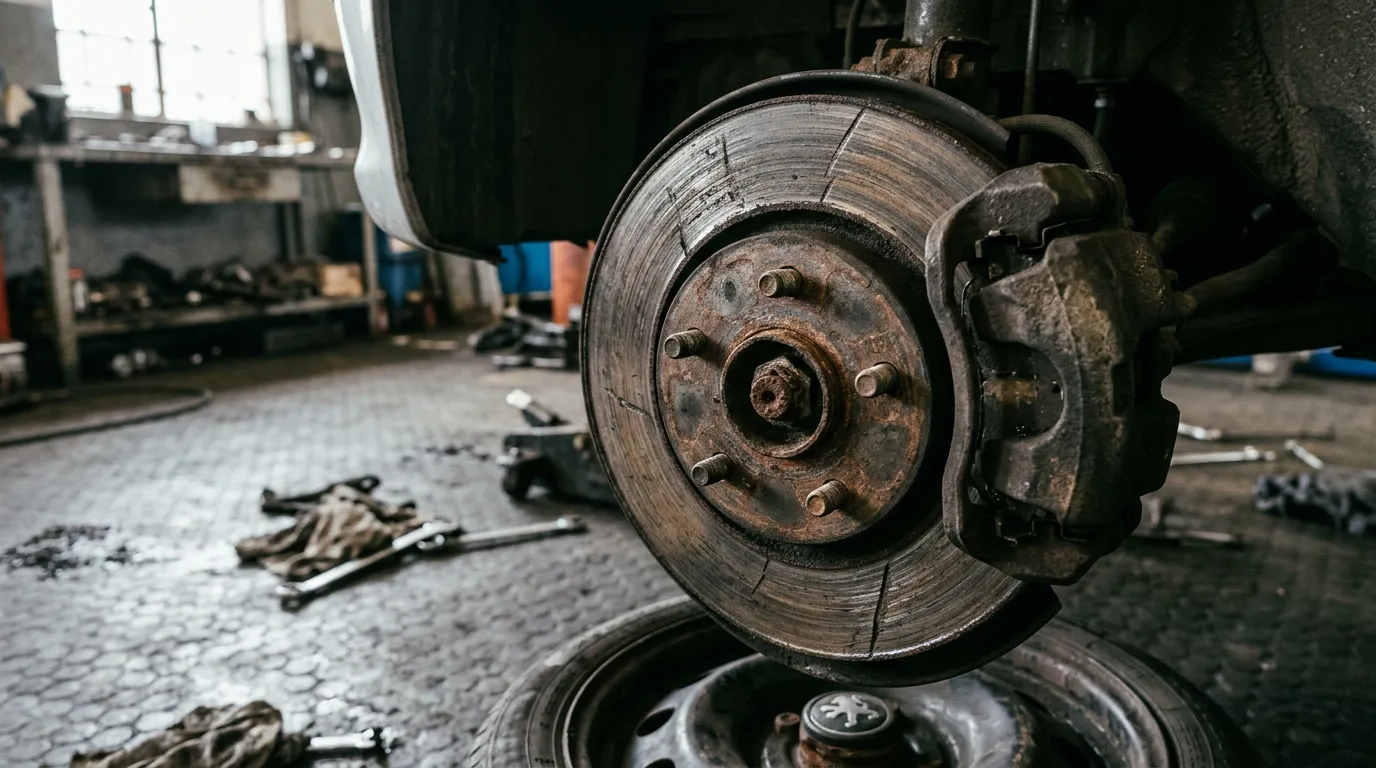
Common Peugeot Brake Problems: Symptoms, Fixes & South African Costs

If your Peugeot has started squealing at the robots, vibrating under your foot on the N1, or flashing an ABS warning on the dash, you are not alone. Peugeot brake problems are common, and the good news is most of them are cheap to fix if caught early. In this guide we walk through seven common brake faults on SA Peugeots, how to diagnose them by symptom, indicative repair costs in rand, and when you should DIY versus book a workshop.
Need Brake Parts Fast? Get a Free Quote.
We can source and quote genuine and quality aftermarket brake pads, discs, calipers and sensors for Peugeot models sold in SA, and courier them nationwide.
The 7 Most Common Peugeot Brake Problems
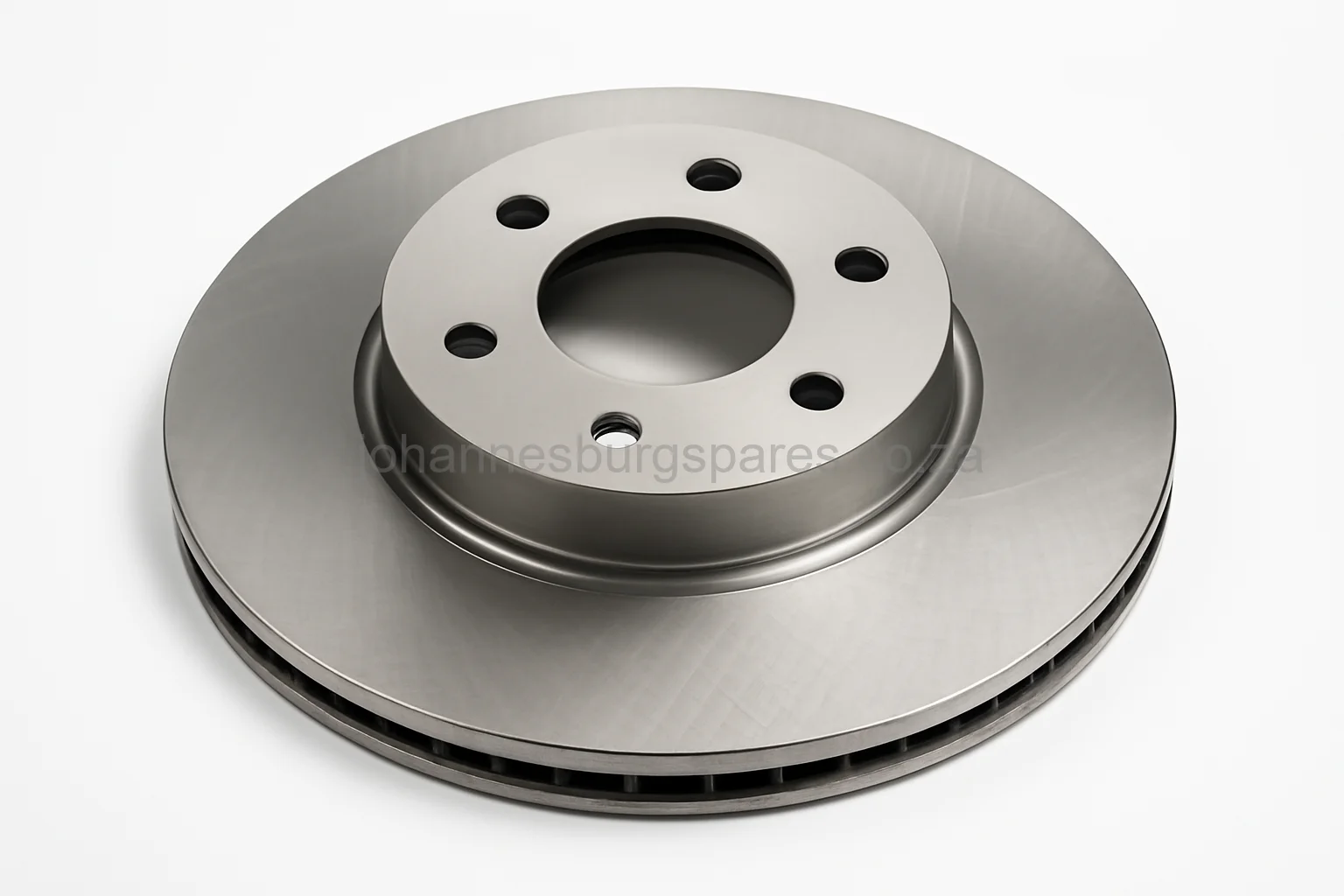
Brake Discs & Pads Available
Front and rear discs plus matched pad sets for every Peugeot in SA — OEM, Eurorepar and quality aftermarket (Bosch, Textar, Ferodo).
1. Brake Judder (Steering Wheel or Pedal Vibration)
Peugeot brake judder is a common complaint on higher-mileage cars. You feel it as a pulse through the steering wheel or brake pedal, worst between 80 and 120 km/h. The cause is almost always warped or unevenly worn front discs, commonly triggered by aggressive braking down Van Reenen's Pass, parking the car hot and wet after a wash, or over-torqued wheel bolts after a tyre change. The fix is a new pair of front discs and pads — machining is possible if the disc still has thickness, but on the thinner modern Peugeot rotors replacement is usually more economical.
2. Squealing or Grinding (Worn Pads)
A high-pitched squeal when you first press the pedal in the morning is usually nothing — a bit of overnight surface rust. A continuous squeal at any speed, or a metal-on-metal grinding, means the peugeot brake pads are at or past the wear indicator. Leave it and the pads will cut grooves into the discs, turning a R1,000 pad job into a R4,000 pad-and-disc job. Most Peugeot 208 and 2008 owners in Gauteng stop-start traffic see front pads last 25,000–35,000 km; highway drivers often get 45,000 km or more out of the same set.
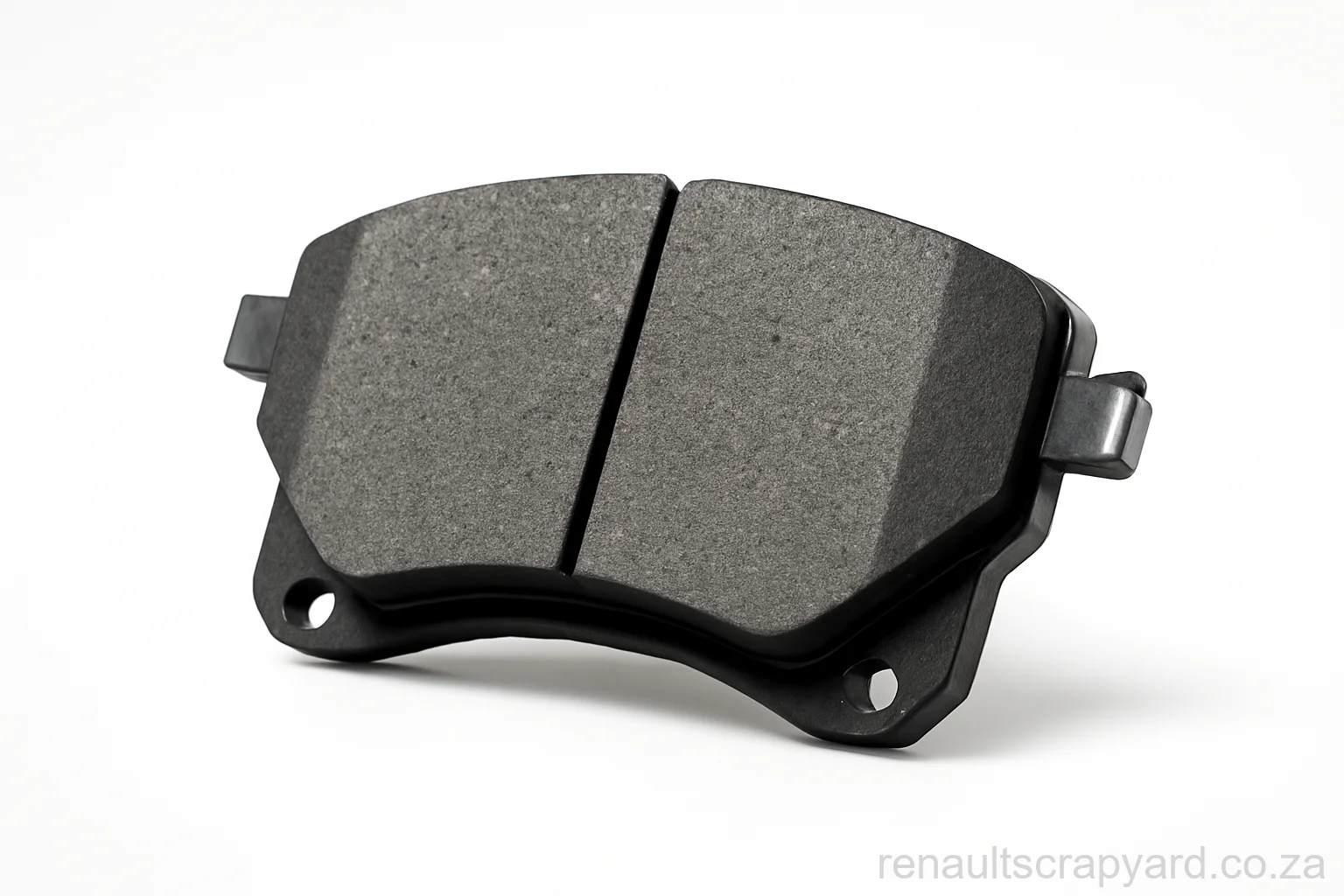
Peugeot Brake Pad Sets — Front & Rear
If you've heard the squeal or seen the wear indicator score the disc, the cheapest fix is replacing the pads before they cut into the rotor. We can source OEM and quality aftermarket sets (Bosch, Textar, Ferodo) for Peugeots sold in SA and courier them nationwide.
3. Pedal Goes to the Floor (Soft or Spongy Pedal)
A pedal that sinks slowly to the floor is a hydraulic problem, not a friction one. The usual suspects on older 207s, 307s and early 308s are a leaking caliper seal, a failing master cylinder, or — most commonly — air in the system because the brake fluid has absorbed moisture. Peugeot specifies DOT 4 brake fluid; some models call for the low-viscosity DOT 4 LV grade instead, so check the grade printed on your reservoir cap or in your handbook before topping up. Peugeot's published guidance is to have the fluid changed at least every two years. If you have skipped two services, this is likely your issue.
4. Uneven Pad Wear or Car Pulls Under Braking
If the car pulls to one side when you stop, or if you pull a wheel off and find one pad worn 50% more than the other, you usually have a sticking caliper piston or seized slider pins. Coastal Peugeots (Cape Town, Durban, Gqeberha) are particularly vulnerable — salt air rusts the slider pins and the piston seals harden. A full caliper rebuild kit is inexpensive, but if the piston bore is pitted the caliper itself needs replacing.
5. ABS Warning Light
A solid ABS light on your i-Cockpit usually means one of the wheel speed sensors has failed or its reluctor ring is clogged with brake dust, road grime or — on 3008/5008 SUVs that see gravel — simply caked in mud. The brakes still work normally, but ABS and (on newer models) ESP, hill-start assist and emergency brake assist are disabled until you fix it. A diagnostic scan will pull a C-series DTC pointing to the specific wheel. Sensors are a DIY-friendly 30-minute job per wheel on most models.
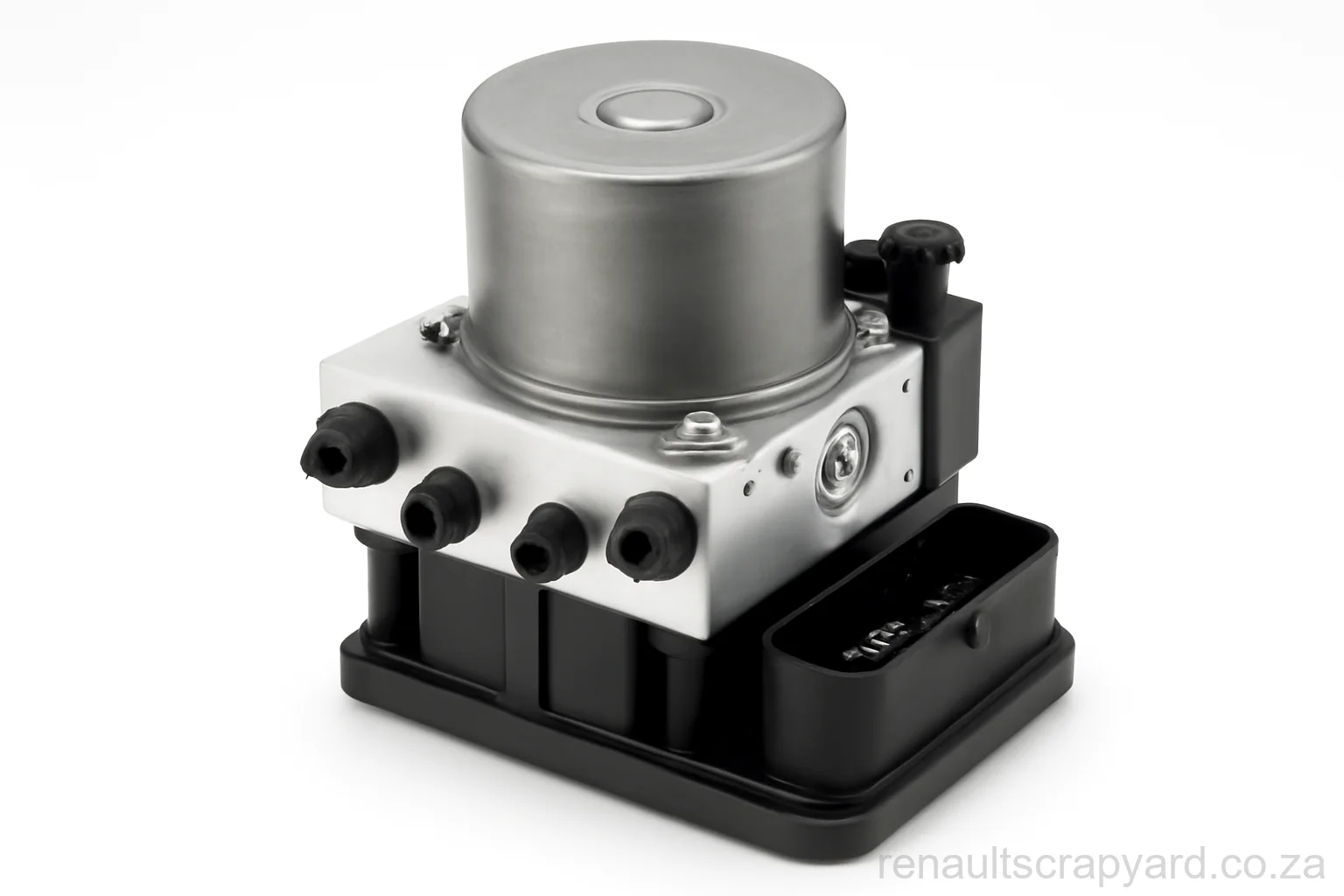
ABS Modules & Wheel Speed Sensors
When the dashboard ABS light stays on after clearing codes, you're usually looking at a failed wheel speed sensor or — less commonly — a tired ABS pump module on higher-mileage 3008, 5008 and 308 cars. We supply both, with matched-part-number searches by VIN.
6. Handbrake Drag or Electronic Parking Brake Fault
On 3008, 5008 and 508 models with the electronic parking brake (EPB), the most common complaint is a "Parking Brake Faulty" message or the EPB refusing to release. This is almost always a failed rear caliper actuator motor — not the pads. A proper diagnostic tool (or a dealer visit) is essential because the EPB must be put into "service mode" before you can even retract the piston to fit new pads. On manual-handbrake 207s and older 308s, drag is usually just a stretched cable or seized rear caliper slider.
7. Brake Overheating and Fade
If your pedal goes hard and braking feels wooden after a long downhill run (think Chapman's Peak or the Long Tom Pass), you have fluid boil or pad fade. Once-off, it is usually old fluid: brake fluid absorbs moisture from the air over time, and that water lowers its boiling point, so a car that has gone years without a flush will fade on a descent that a freshly-bled car handles fine. Repeated fade means you need a higher-spec pad (Ferodo DS2500 or similar for a 208 GTi, for example) and a fresh fluid flush to the grade your car specifies.
Diagnosing Brake Problems by Symptom
Use this quick lookup before you phone a workshop — it saves time and keeps you from being upsold on work you do not need.
| Symptom | Most likely cause | Typical fix |
|---|---|---|
| Pulsing pedal or steering wheel under braking | Warped front discs | Replace front discs + pads |
| High-pitched squeal at low speed | Pad wear indicator | Replace pads |
| Grinding, metal-on-metal | Pads worn through to backing plate | Replace pads + inspect/replace discs |
| Soft, sinking pedal | Fluid leak or moisture-contaminated fluid | Bleed + fluid flush; inspect calipers/master cylinder |
| Car pulls to one side | Sticking caliper or uneven pad wear | Rebuild or replace caliper |
| ABS light on dashboard | Wheel speed sensor or reluctor ring | Diagnostic scan + sensor replacement |
| EPB fault message (3008/5008/508) | Actuator motor on rear caliper | Replacement rear caliper with EPB motor |
| Brake fade on long descents | Old fluid or under-spec pads | Brake fluid flush + upgrade pads |
Peugeot Brake Repair Costs in South Africa
Indicative ranges only, not quotes; prices vary by condition, mileage, supplier and labour rate. Where a figure lands also depends on the model (208, 2008, 308, 3008 or 5008) and whether you want OEM or aftermarket.
| Part | Aftermarket range | OEM / Genuine range | Notes |
|---|---|---|---|
| Brake pads (front axle set) | R290 – R950 | R900 – R1,800 | Per-axle set. 208/2008 lower; 3008/5008 upper end |
| Brake pads (rear axle set) | R290 – R800 | R800 – R1,400 | Rear typically lasts 1.5–2x longer than front |
| Brake discs (per disc) | R520 – R1,300 | R1,200 – R2,100 | Front discs larger and more expensive than rear |
| Brake discs (front pair) | R1,600 – R3,000 | R2,400 – R4,500 | Bigger on 3008/5008 than 208/2008 |
| Brake caliper (remanufactured) | R1,200 – R2,500 | R3,000 – R6,000 | Seized calipers common on coastal cars |
| EPB rear caliper (with motor) | R3,500 – R6,500 | R7,000 – R12,000 | 3008, 5008, 508 |
| DOT 4 LV brake fluid (1L) | R120 – R250 | R180 – R250 | Full flush needs ~1L |
| Wheel speed / ABS sensor | R400 – R900 | R950 – R1,800 | Per wheel |
| Labour (pads + discs, one axle) | — | — | R600 – R1,200 independent; R1,200–R2,000 dealer |
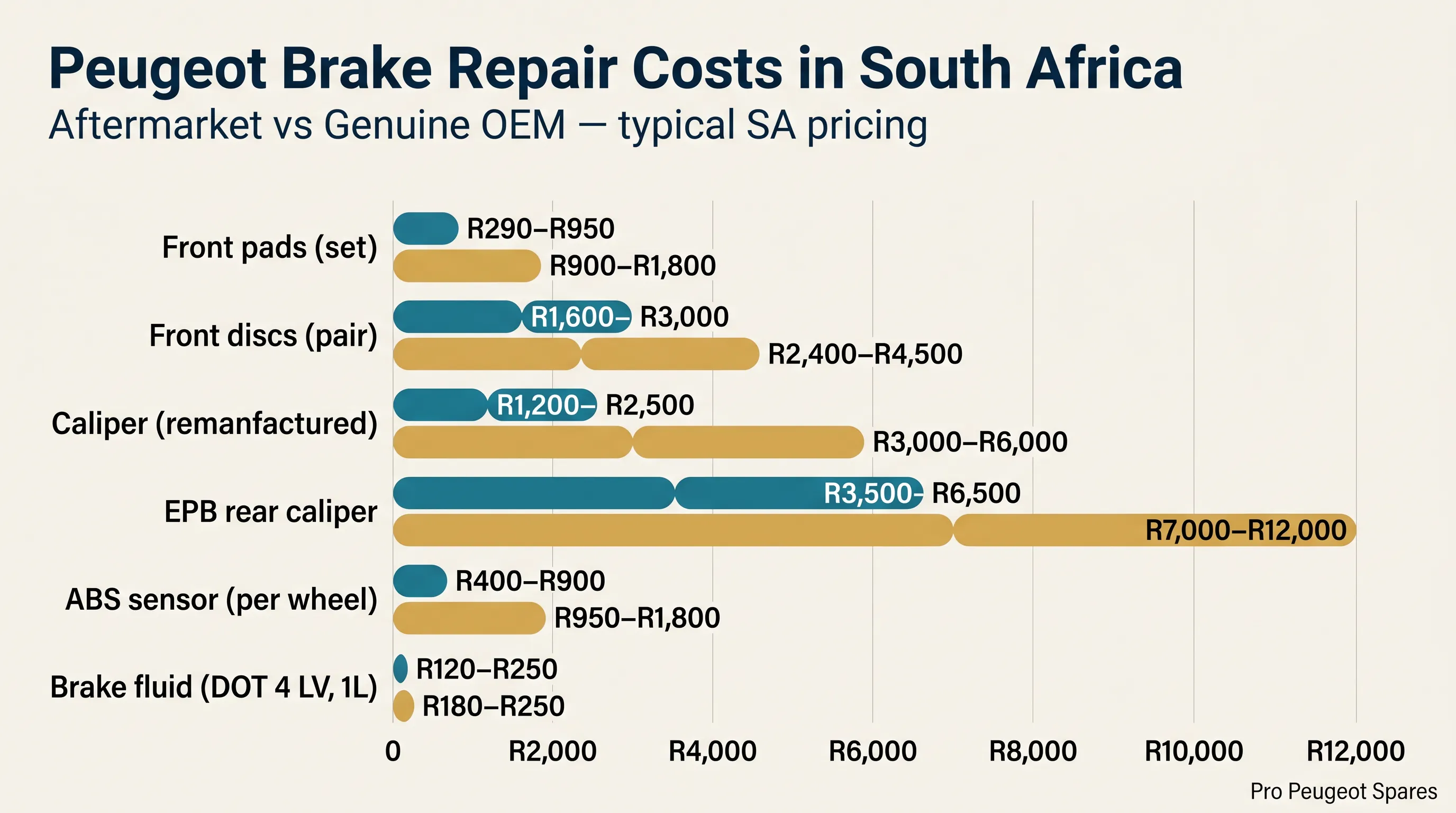
As an indicative range only (not a quote), a full front brake service (pads + discs + labour) at an independent specialist is around R2,500 to R5,500, and at an authorised Peugeot dealership with genuine parts around R4,500 to R8,000; prices vary by condition, supplier and labour rate. For model-specific quotes on just the pads, see our dedicated peugeot brake pads page.
OEM vs Aftermarket: What Should You Buy?
Three honest answers, depending on your situation.
Buy genuine Peugeot / Eurorepar if the car is under 5 years old, still on a service plan, or you rely on adaptive cruise / autonomous emergency braking (AEB).
Buy top-tier aftermarket (Bosch, Ferodo, ATE, Textar, TRW, Brembo) if the car is out of warranty and you want OEM-equivalent performance at a lower price. In South Africa, replacement brake pads and linings are a regulated product: compulsory specification VC 8053 requires them to meet SANS 20090, the South African adoption of UN ECE Regulation 90, so ask your supplier to confirm the approval for the specific part number. This is what we recommend for most out-of-warranty cars.
Avoid no-name budget pads below roughly R290 per axle. They squeal, they dust heavily, they glaze under heat, and — worst of all — they chew through your discs faster than OEM pads ever would. You save R300 on the pads and pay R2,000 extra on discs next year.
Not Sure Which Brakes Fit? We'll Match Them Free.
Send us your VIN or reg number and the symptom — we'll quote the right pads, discs or caliper for your exact Peugeot variant, OEM or aftermarket.
When to DIY and When to Book a Workshop
Pad and disc swaps on a manual-handbrake 207, 307 or early 308 are an afternoon job if you have a torque wrench, a G-clamp (or piston wind-back tool for rear discs) and a trolley jack. Budget 2–3 hours the first time.
Book a workshop if:
- Your Peugeot has an electronic parking brake (3008, 5008, 508, newer 308) — you need a diagnostic tool that puts the EPB into service mode, otherwise you will damage the actuator.
- You have an ABS or ESP light that has not cleared after a sensor clean — proper fault-code reading is needed.
- You are doing a caliper rebuild or master cylinder replacement — the system must be properly pressure- or vacuum-bled, not just gravity-bled.
An independent Peugeot / French-car specialist is usually meaningfully cheaper than the franchised dealer, and for out-of-plan cars that is the sweet spot. Just confirm they use PSA-spec parts and the brake fluid grade your car actually specifies.
Model-Specific Brake Notes
Peugeot 208 (incl. GTi)
Peugeot 208 brake pads wear fast in Johannesburg and Pretoria traffic — 25,000–35,000 km is normal on the front axle, simply because stop-start commuting means far more brake applications per kilometre than open-road driving. The 208 GTi runs a hotter 1.6 THP motor and works its brakes harder, so stick strictly to the two-year fluid interval rather than letting it drift. See our full Peugeot 208 brakes page for variant-specific part numbers.
Peugeot 3008 (I and II)
On the 3008, "Parking Brake Faulty" messages are most often a failed rear caliper actuator motor, not pads. Front discs are larger (283–304 mm depending on variant) so they cost a bit more than a 208: budget R1,200–R2,100 per genuine disc. The BlueHDi 1.6 and 2.0 diesels add weight and eat pads faster than the 1.2 PureTech petrols. Check our Peugeot 3008 brakes section for the 1.2 PureTech vs 1.6 BlueHDi vs 2.0 BlueHDi differences.
Peugeot 207
Older cars (2006–2012) are now well past their original calipers — seized rear calipers and stretched handbrake cables are common complaints. A remanufactured caliper is typically R1,200–R2,500, versus R3,000+ for brand new. Discs are small and cheap, pads even cheaper. Watch for rust on the disc shield — SA coastal cars especially.
Peugeot RCZ
The RCZ runs larger front discs than a standard 207 or 308. Aftermarket pads are scarcer, so budget for OEM or a premium brand like Ferodo or EBC. Fluid changes are critical on these because of higher thermal loading — do not skip them.
FAQ
How much do Peugeot brake pads cost in South Africa?
Peugeot brake pad sets range from R290 for budget aftermarket up to R1,800 for genuine OEM per axle. Larger 3008 and 5008 sets run R1,200–R1,800 genuine.
Why is my Peugeot's brake pedal juddering?
Peugeot brake judder — a pulse through the pedal or steering wheel under braking — is almost always warped or unevenly-worn front discs. Triggers include aggressive braking down mountain passes, parking hot and wet after a car wash, or over-torqued wheel bolts after a tyre fitment. The fix is a pair of new front discs plus pads.
Can I drive with the ABS light on?
Yes, the normal service brakes still work — but anti-lock braking, emergency brake assist and (on newer models) ESP and hill-start assist are all disabled. Get the fault diagnosed within a few days; it is usually a wheel speed sensor and a cheap fix.
How often should I replace brake fluid on my Peugeot?
Peugeot's published guidance is to have the brake fluid changed at least every two years. Some Peugeots take DOT 4 and some the low-viscosity DOT 4 LV grade, so use the grade printed on your reservoir cap or in your handbook. Skip two fluid services and you will notice a soft pedal, especially after downhill driving. A flush uses about 1 litre and costs R120–R250 in fluid plus workshop time.
Should I fix brakes at a dealer or independent workshop?
If your Peugeot is under the service plan or has advanced driver assistance systems (adaptive cruise, AEB), stick with an authorised dealer. For out-of-plan cars, an independent French-car specialist using Bosch, Ferodo or ATE parts is usually meaningfully cheaper with no loss in quality. Either way, ask your supplier to confirm the pads are approved to SANS 20090 / ECE R90, or are genuine manufacturer parts.
Is it safe to drive my Peugeot with brake judder?
Light judder is not immediately dangerous, but it is a warning sign you should not ignore. The pulsation comes from uneven disc thickness, which means braking force is not consistent across the pad — your stopping distance is already longer than it should be. On a Peugeot 208 or 308 in heavy Joburg traffic that gap matters. If the judder is severe enough to shake the steering wheel hard, or if it appeared suddenly after a hot run down Long Tom or Sir Lowry's Pass, park it and get it looked at before your next long trip.
How do I get rid of brake judder without replacing the discs?
Sometimes — if disc thickness variation (DTV) is minor — a hard 5-stop bedding-in run with new pads will scrub the uneven friction film off the disc face and restore a smooth surface. Workshops in Cape Town and Pretoria do this on borderline 208 and 2008 discs that still measure above the manufacturer's minimum-thickness stamp. If the runout is mechanical (warped disc or warped hub flange), no amount of bedding will fix it — you need a new pair of front discs and a torqued-to-spec refit onto a clean hub face.
Do front or rear brakes wear out first on a Peugeot?
Front brakes always wear first — usually 1.5 to 2 times faster than the rears on every Peugeot. The front axle does most of the stopping work because vehicle weight transfers forward under braking. On a typical Peugeot 208 in SA mixed driving you can expect to replace front pads around 30,000 km and front discs every second pad set, while rear pads often go 50,000–70,000 km. Rear pads on 3008, 5008 and 508 EPB cars can wear unevenly though — a sticking actuator on one side will wear that pad out well ahead of the other side.
How long should Peugeot 208 brake pads last in South Africa?
A front pad set on a Peugeot 208 typically lasts 25,000–35,000 km in stop-start city driving (think Sandton or Sea Point), 35,000–50,000 km mixed, and up to 60,000 km on mainly highway routes like the N1 to Bloemfontein. The 208 GTi runs harder pads and slightly bigger discs but is also driven harder — expect 20,000–30,000 km. Rear pads last roughly twice as long. The single biggest variable is driving style: hard, late braking from highway speed cuts pad life in half.
What does the "Braking System Faulty" warning mean on a Peugeot?
The orange or red "Braking System Faulty" message on a Peugeot i-Cockpit dash is a generic warning that can mean low brake fluid, a worn pad-wear sensor circuit, an ABS or ESP module fault, or an electronic parking brake (EPB) error on 3008, 5008 and 508 models. A low fluid level can mean worn pads or a leak, so have the pads and the hydraulic circuit inspected rather than simply topping the reservoir up. If that doesn't clear it, plug in a Peugeot-capable scanner (Diagbox, Foxwell NT530, or your local French-car specialist) to read the actual DTC. Driving with the red warning is risky; the orange one is safer but should still be diagnosed within a week.
Ready to Fix Those Brakes? Get a Quote.
From a single pair of 208 front pads to a full 3008 EPB caliper — we can source it, price it, and courier it to your workshop or door anywhere in South Africa.
Important Disclaimer
This content is for informational purposes only and is based on research from automotive industry sources. Pro Peugeot Spares is not a certified automotive repair facility. Always consult with qualified automotive professionals before performing any repairs or maintenance. Improper repairs can result in personal injury, property damage, or vehicle malfunction. We assume no responsibility for actions taken based on this information.