
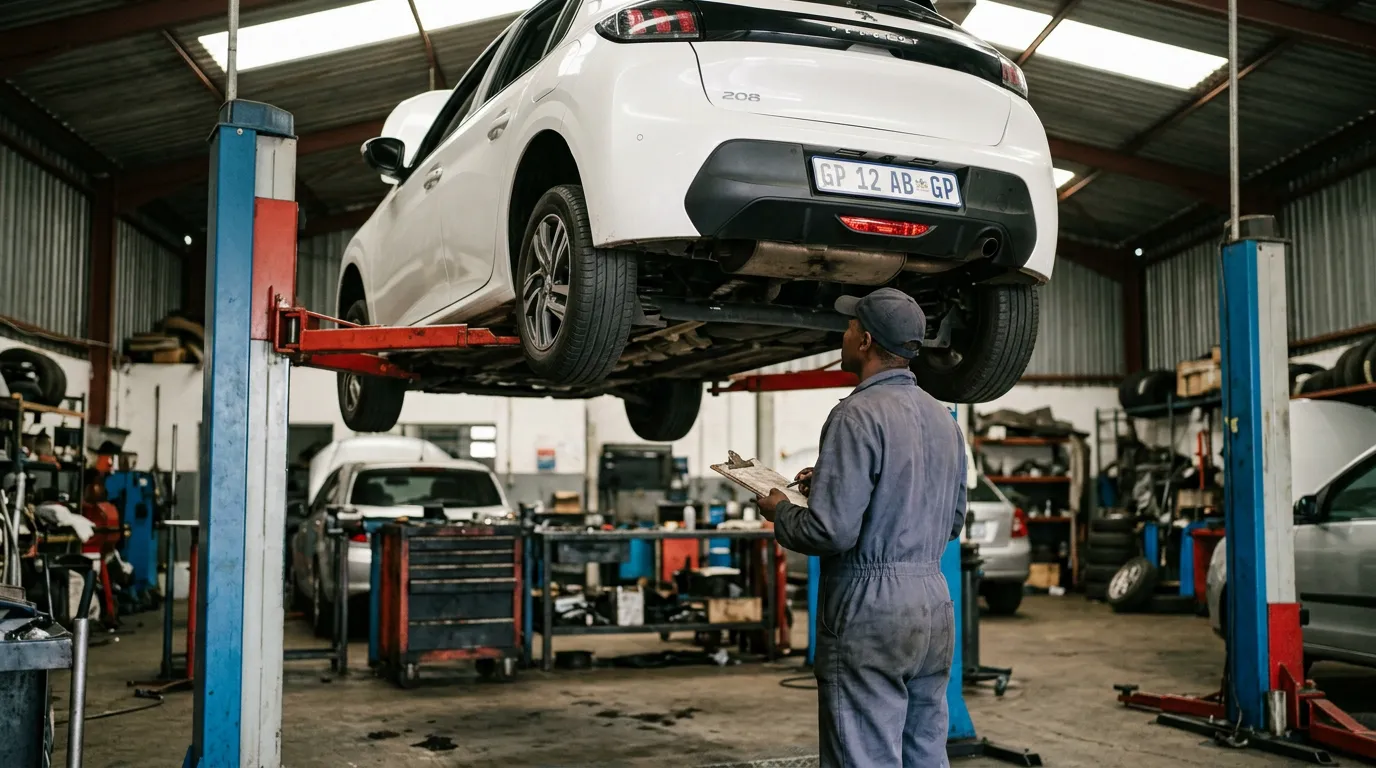
Peugeot 208 Maintenance Schedule & Service Costs in South Africa (2026 Guide)

Staying on top of Peugeot 208 maintenance is the single biggest factor separating a 250,000 km lion from an expensive paperweight. On South African roads — pothole-heavy Gauteng commutes, coastal salt air, and dusty rural trips — the 208's 1.2 PureTech petrol engines reward owners who follow Peugeot's 15,000 km / 12-month service rhythm and punish those who stretch it. This guide walks through the full schedule by mileage, indicative SA service costs, known 208 issues, DIY vs workshop pricing, and where to source 208 parts fast.
Service Intervals at a Glance
Peugeot SA sets a 15,000 km or 12-month interval across the 208 hatchback range — whichever comes first. Service costs below are indicative ranges only, not quotes; prices vary by condition, mileage, supplier and labour rate.
| Item | Interval | Indicative dealer cost (not a quote) |
|---|---|---|
| Minor service (oil + filter) | 15,000 km / 12 mo | Ask for a quote |
| Minor service — diesel | 15,000 km / 12 mo | Ask for a quote |
| Brake fluid change | Every 2 years | R850 – R1,200 |
| Air-con re-gas | Annually (recommended) | Ask for a quote |
| Timing belt (1.6 BlueHDi diesel, first-generation) | 160,000 km / 10 yr | Ask for a quote |
| Timing belt — wet belt (PureTech 1.2, EB2 family) | 100,000 km / 6 years | Ask for a quote |
| Carbon clean (turbo 1.2 PureTech only) | 80,000 – 100,000 km | Ask for a quote |
Petrol variants (1.2 PureTech Active/Allure/GT Line/GT) dominate SA's 208 parc, so most of this guide focuses on the EB2 PureTech-specific maintenance points.
Maintenance by Mileage
15,000 km — first minor service
Oil and filter using the current PSA approval for your engine — the 1.2 PureTech specifies B71 2312 (0W-30), which superseded the older B71 2290 (5W-30) — cabin filter check, brake pad visual, software scan. The cheapest service in the cycle and the one owners most often skip — don't.
30,000 km
Add an air filter and pollen filter swap. Check front pad thickness. Stop-start city driving wears front pads noticeably faster than open-road running, so inspect them at every service rather than waiting for a fixed mileage.
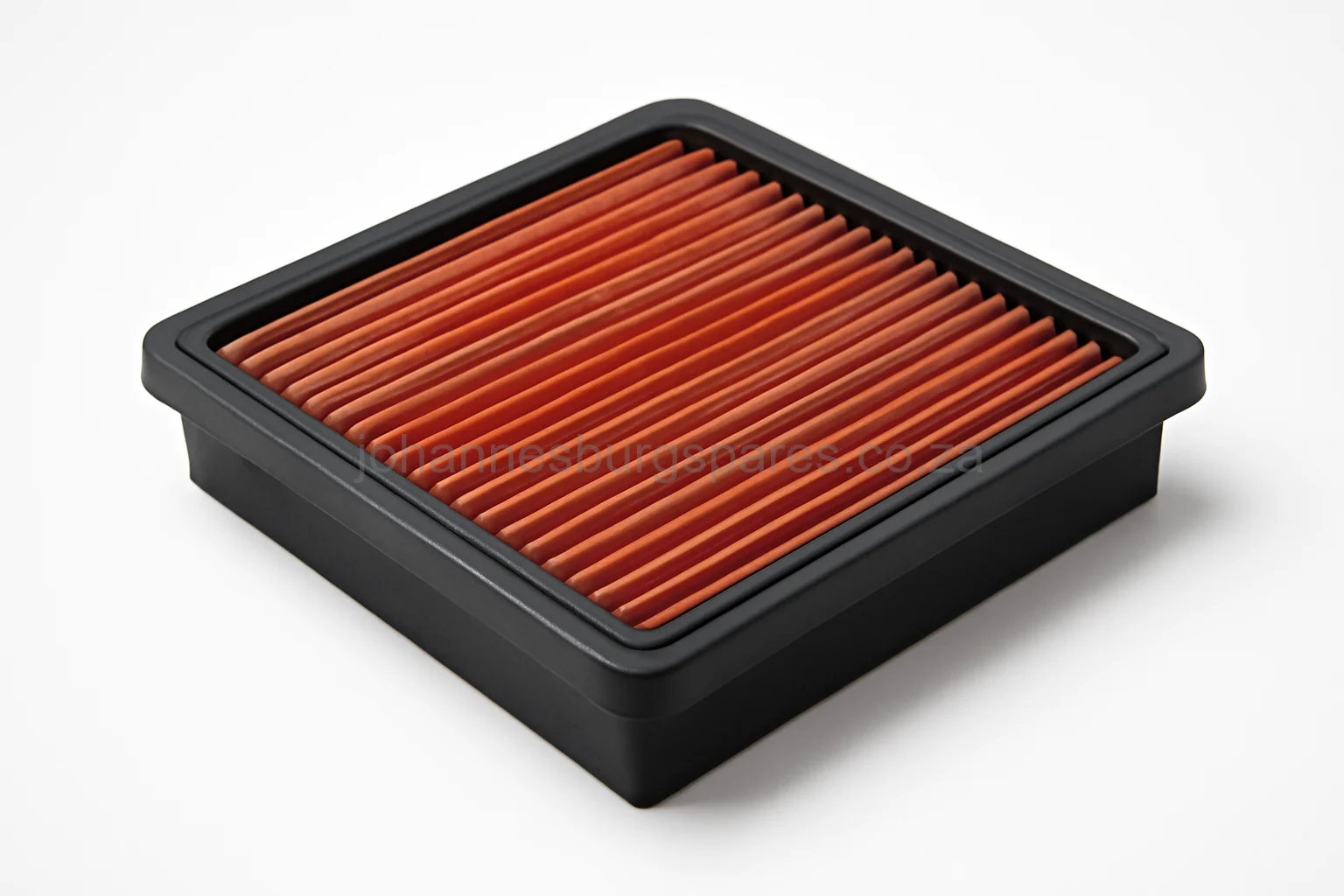
Peugeot 208 Air & Cabin Filter Kit
Dusty Gauteng commutes and Highveld pollen chew through 208 filters fast. OEM-spec engine air filter plus activated-carbon pollen filter — the two parts your 30,000 km service can't go without.
60,000 km — major milestone
Spark plugs are due before this milestone — published 208 schedules put them at 40,000 km (NGK iridium, R320 – R450 each; the EB2 three-cylinder takes three), so by 60,000 km they should already have been changed. Due here: a full brake fluid flush (strictly a two-year item, so it may fall earlier), air-con service, and a 12V Stop & Start battery health check (these typically last 3 – 4 years in SA heat). Get a quote on engine parts for the 208 if spark plug wells show oil seepage.
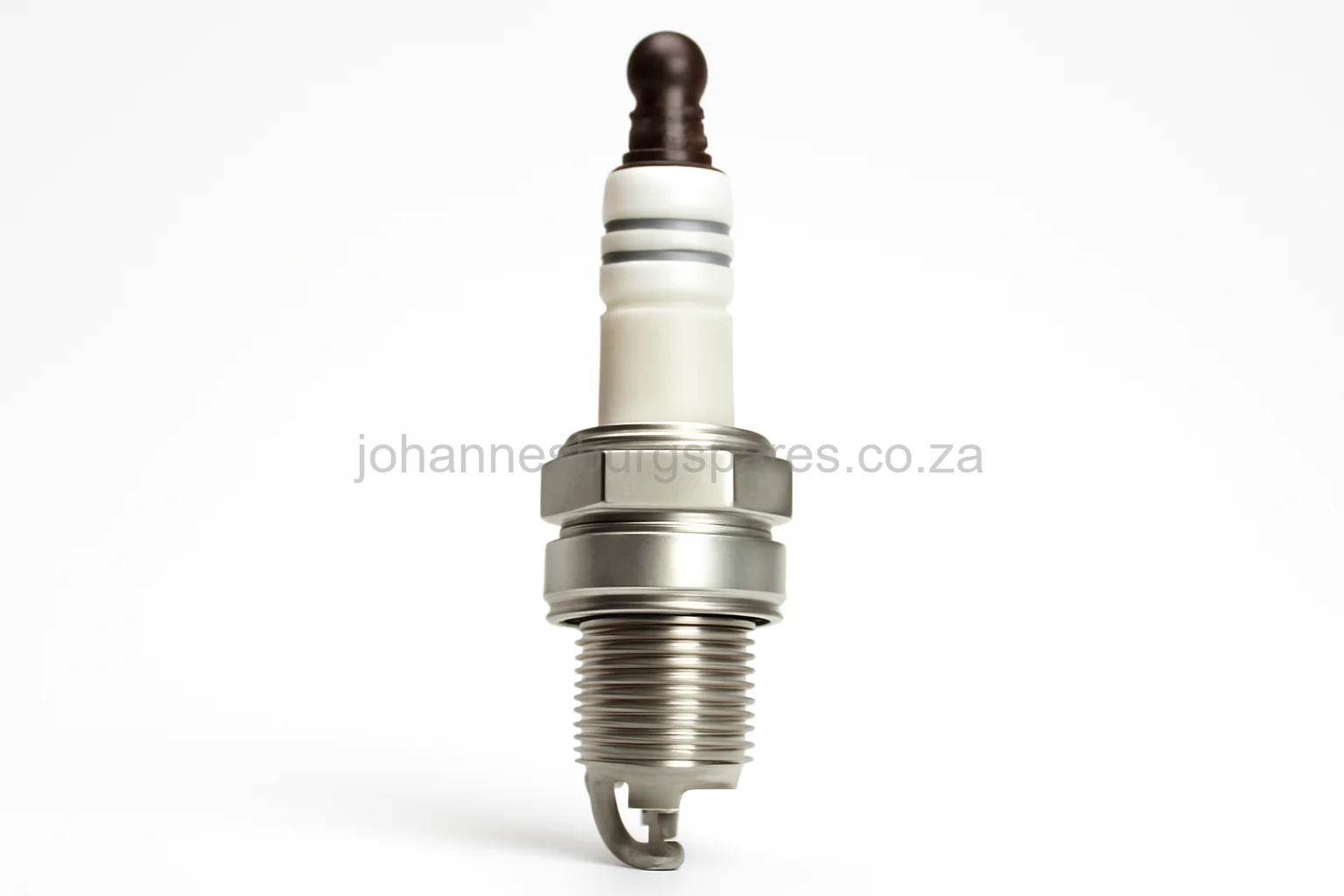
NGK Iridium Spark Plugs — Set of 3
The EB2 three-cylinder PureTech needs three iridium plugs, a 40,000 km item on the published schedule, torqued to 25 Nm. Skip the supermarket copper plugs — direct-injection 208s misfire on the wrong heat range. We quote OEM-equivalent NGK iridium for all 1.2 PureTech variants.
90,000 – 100,000 km
On the turbocharged 1.2 PureTech — the direct-injection version — fuel never washes the back of the intake valves, so carbon can accumulate. If throttle response has gone flat by this mileage, a walnut-shell blast is worth pricing. The naturally aspirated 1.2 (EB2FA) is port-injected and is not affected. Also due: coolant refresh (if not done at 4 years), wheel bearings inspection, and a listen for wet-belt rattle on cold start. For 1.2 PureTech (EB2) owners this is also when the wet timing belt is due, at 100,000 km (see FAQ below). For BlueHDi diesel owners, plan the timing belt job by 160,000 km.
Pro Tip: If your 208 diesel does mostly short urban trips under 20 km, take it on a 30-minute highway run at 100 – 120 km/h once a month. It lets the DPF regenerate and prevents a "DPF clean" bill later.
Common 208-Specific Issues
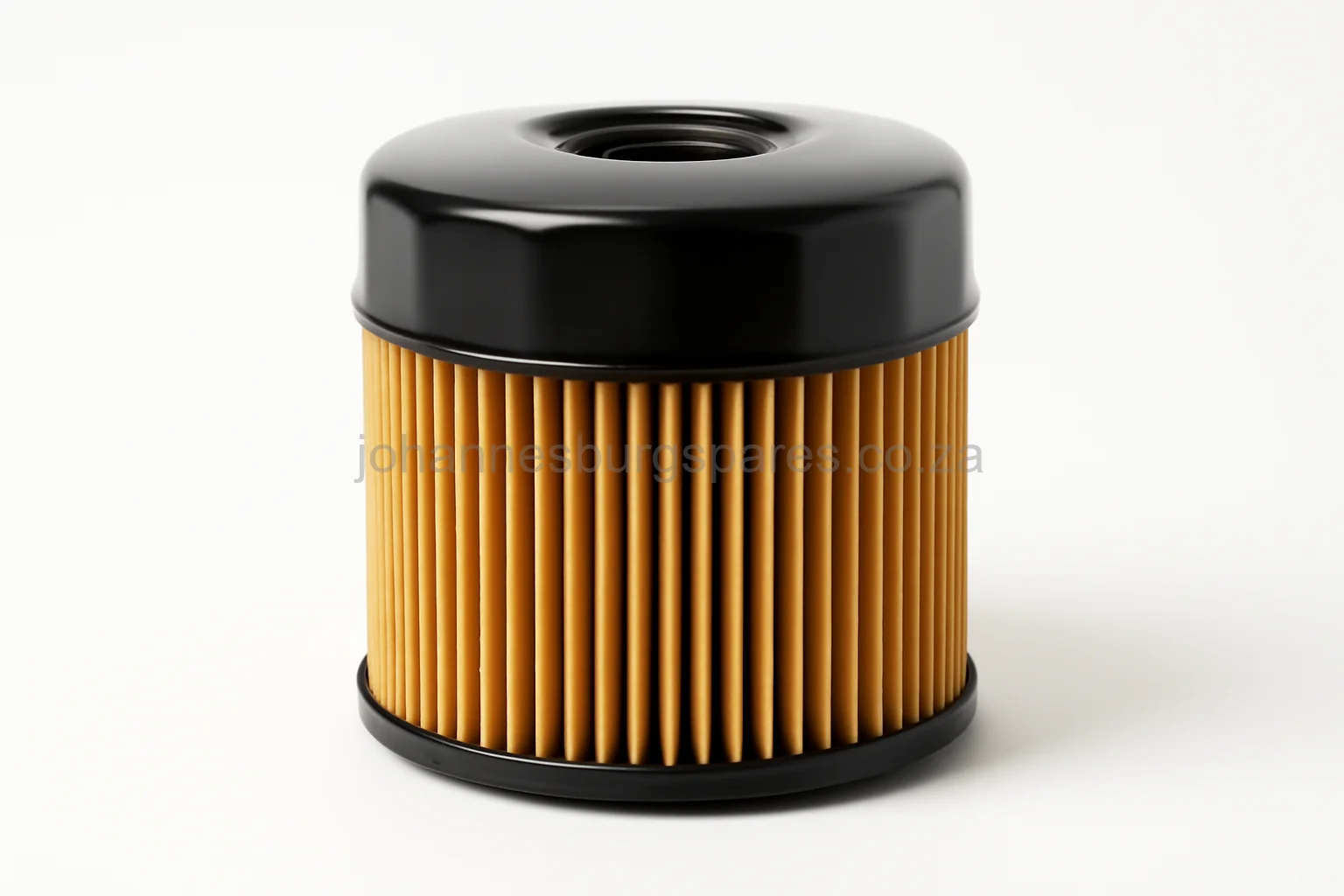
208 Service Parts Available
PSA B71 2312 oil, OEM cartridge filters, NGK iridium plugs, cabin and air filters — every consumable for the 208's 15,000 km service in one quote.
Timing belt (1.6 BlueHDi diesel). The 1.6 BlueHDi (DV6) was the 208's diesel on the first-generation car, up to 2018; the second-generation 208 (2019 on) uses the 1.5 BlueHDi (DV5), which is chain-driven, so none of the belt guidance here applies to it. On the DV6 the belt is an interval item — the figure usually quoted is around 160,000 km or 10 years, but confirm it against your own service book, as it varies by market. Skipping it on an interference engine is how expensive rebuilds happen. The full job includes the water pump, tensioner and auxiliary belt; ask for a quote, as labour varies by workshop.
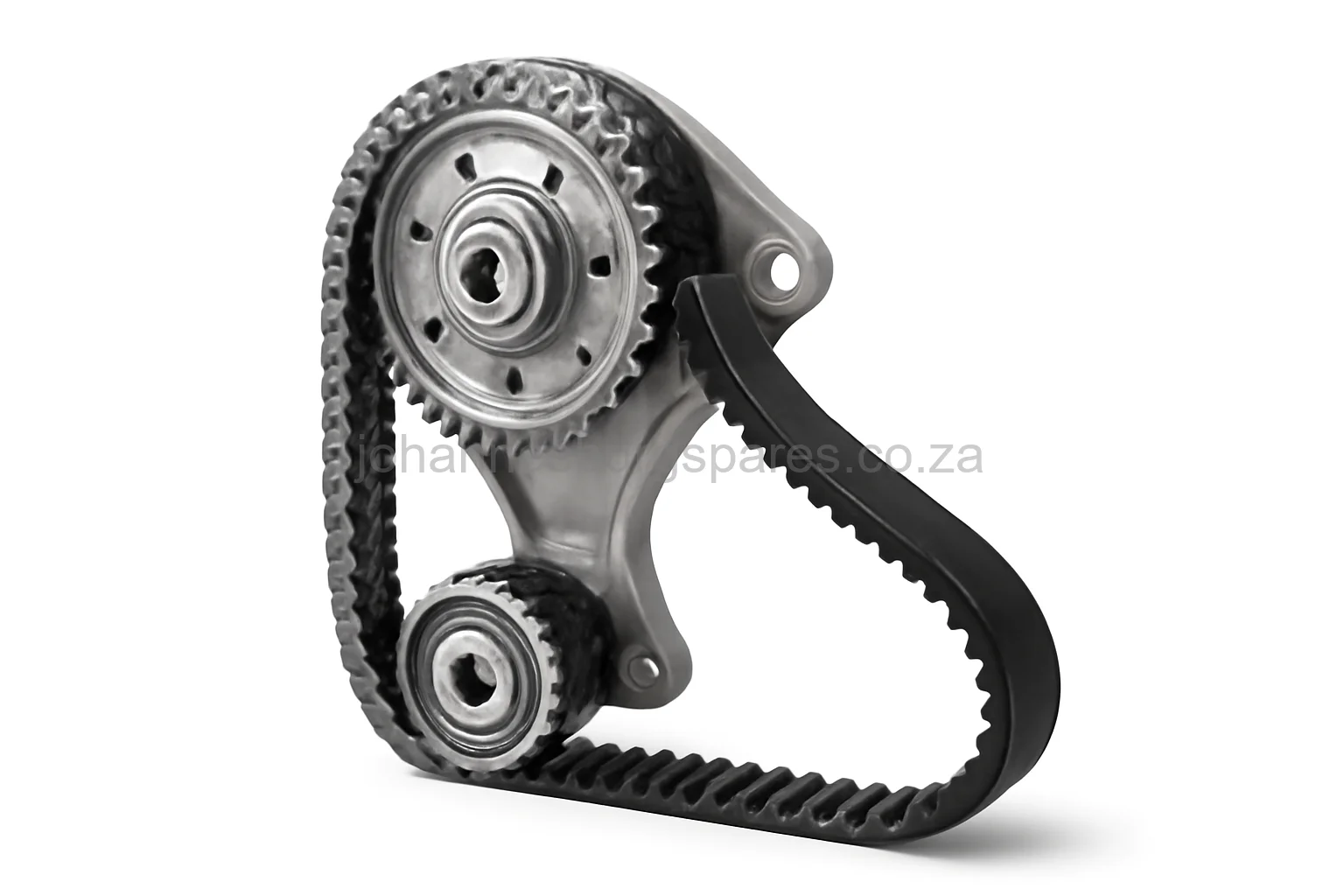
208 BlueHDi Timing Belt Kit
DV6 diesel timing belt is an interference design — a snapped belt means bent valves and a five-figure rebuild. We quote complete OEM-equivalent kits (belt, tensioner, idler, water pump) for the 160,000 km / 10-year service.
Timing belt (PureTech 1.2, wet belt). The non-hybrid 1.2 PureTech engines (EB2FA and EB2ADTD, as fitted to the 208) run a wet timing belt in engine oil, not a chain. Stellantis moved to a timing chain in 2023 with the Gen-3 48V mild-hybrid units (EB2LTED and EB2LTEDH2), so if your 208 is a Hybrid the wet-belt guidance here does not apply to it. Peugeot revised the interval to 100,000 km or 6 years — treating it as "no scheduled replacement" is how engines fail. Warning signs: cold-start rattle, oil-pressure warnings, or rubber debris on the dipstick. Use only oil carrying the current PSA approval for this engine — B71 2312 (0W-30) superseded the older B71 2290 (5W-30) on the 1.2 PureTech, so check the approval printed in your service book and on the oil cap against the bottle before you buy, and plan the belt-in-oil job by 100,000 km. Before you authorise a paid belt job, ask about the Stellantis PureTech goodwill extension: it covers premature timing-belt degradation on earlier 1.0 and 1.2 PureTech engines at 100% of parts and labour for up to 10 years or 112,000 miles (about 180,000 km), subject to the car having been serviced by an authorised repairer. That is a warranty coverage ceiling, not a service interval, and it is published as a European consumer policy — ask your Peugeot dealer in writing whether it applies in South Africa.
Carbon buildup on intake valves (turbo 1.2 PureTech only). Direct-injection petrols don't wash the back of the intake valves, so carbon can accumulate on the turbocharged 1.2 PureTech variants. If throttle response has gone flat by 80,000 – 100,000 km, a walnut-shell blast is worth pricing. The naturally aspirated 1.2 (EB2FA) is port-injected and is not affected.
Stop-start sensors and turbo wastegate. Stop-start sensor replacement runs R2,800 – R3,500. Turbo wastegate issues on neglected PureTech engines can be expensive; our listed price for a 1.2 PureTech turbo is R4,500 – R10,000.
Cam position sensor and EGR (diesel). A failing cam sensor typically shows as a no-start or rough-start. EGR valves sticking from soot are common on diesels driven mostly in traffic — another argument for the monthly highway blast.
Sourcing 208 Parts? Get Your Quote in Minutes.
From timing belt kits and turbo wastegates to PureTech spark plugs and front brake pads, we source OEM and quality aftermarket parts for every 208 variant sold in SA — with nationwide delivery.
DIY vs Workshop Costs
| Job | DIY parts cost | Dealer total | DIY-able? |
|---|---|---|---|
| Engine oil & filter | Ask for a quote | Ask for a quote | Yes — if you own ramps |
| Cabin pollen filter | R180 – R320 | R550 – R850 | Yes — 10 minutes |
| Air filter | R385 – R485 | R650 – R1,100 | Yes |
| Front brake pads (see pad range) | Ask for a quote | Ask for a quote | Yes — intermediate |
| Brake fluid flush | R180 – R250/L | R850 – R1,200 | No — needs bleeder kit |
| Spark plugs (set of 3) | R960 – R1,350 | R1,900 – R2,600 | Yes — torque to 25 Nm |
| Timing belt — wet belt (PureTech, in-oil) | N/A — not DIY | Ask for a quote | No — specialist wet-belt procedure |
| Timing belt (BlueHDi) | Ask for a quote | Ask for a quote | No — specialist tools |
| Walnut-shell carbon clean | N/A | Ask for a quote | No — specialist equipment |
Oil, filters, plugs and pads are DIY-able. Engine-timing work, DPF diagnostics, and torque-critical fasteners belong with a Peugeot specialist who stocks PSA-spec consumables. Using non-PSA-spec oil on a PureTech is a false economy — the wet timing belt runs in the engine oil, so oil quality directly determines how long that belt lasts, and a degraded wet belt is the most expensive bill you can invite.
Where to Source Peugeot 208 Parts in SA
Three tiers, in ascending order of price:
- Quality aftermarket (Bosch, Ferodo, ATE, Textar, Monroe) — 20 – 40% cheaper than OEM, fine for wear items like pads, filters, plugs and shocks.
- Genuine / OEM supplier — for safety-critical and engine-timing components. Worth the premium; see our 208 brake range.
- Dealer-only parts — i-Cockpit display (R18,500 – R24,000 if damaged), dealer-keyed immobiliser components, and some body panels.
Send us your VIN and the part name and we'll come back with new and used options in one quote, couriered nationwide.
Ready to Service Your 208? Get Parts Priced Today.
Pro Peugeot Spares (SparesBoyz Group, Durban North) sells new and used Peugeot parts and couriers them nationwide. Send us your 208's VIN and the part you need and we'll come back with options and a delivery quote to your door.
FAQ
Does the Peugeot 208 have a timing belt or a timing chain? It depends on the engine. The 1.2 PureTech petrol (EB2 family) uses a wet timing belt running in engine oil — not a chain — revised by Peugeot to a 100,000 km or 6-year replacement interval. The 1.6 BlueHDi (DV6) diesel — fitted to the first-generation 208 up to 2018, not to the current car, which uses the chain-driven 1.5 BlueHDi (DV5) — uses a conventional (dry) timing belt, usually quoted at around 160,000 km or 10 years; the job normally includes the water pump and tensioner. Both are interference engines — treating either as inspect-only risks a bent-valve rebuild.
What is the service interval for the Peugeot 208 in South Africa? Peugeot SA sets the interval at 15,000 km or 12 months, whichever comes first, for both petrol and diesel variants.
How much does an oil change cost on a Peugeot 208? Prices vary by dealer and workshop, so ask for a quote; an independent specialist is often cheaper than a dealer. If you DIY, you need PSA-spec oil to the B71 2312 approval and an OEM-spec filter, and you'll need to dispose of the used oil responsibly.
Are Peugeot 208 parts expensive in South Africa? Service-wear parts are moderately priced: air filter R385 – R485, oil filter R165 – R245. Electronics and the i-Cockpit display sit at the expensive end (R18,500 – R24,000 for the display unit). Independent specialists often undercut dealer pricing on service items.
What is the Peugeot SA warranty on the 208? From 1 September 2019 Peugeot South Africa made a 5-year / 100,000 km warranty and a 5-year / 100,000 km service plan, with roadside assistance, standard on all new models; confirm the current terms for your car with a dealer. The Competition Commission's automotive aftermarket guidelines, in effect from 1 July 2021, are designed to let independent workshops service and repair cars that are still under warranty.
What is the most common problem with a Peugeot 208? On South African 208s the standout issue is the 1.2 PureTech engine's wet timing belt — early EB2 examples shed belt fragments into the sump, which can block the oil pickup and starve bearings. Stretch your service past 15,000 km on non-PSA-spec oil and you're inviting it. Other recurring SA gripes: i-Cockpit infotainment freezes (often resolved with a dealer software flash, R650 – R1,200), fuel pressure sensor failures on post-2020 models, and faster front brake pad wear in stop-start city traffic. Stick to PSA B71 2312-approved oil, change at interval, and the 208 will reliably clear 200,000 km.
Does the Peugeot 208 PureTech have a wet timing belt and how often must it be replaced? Yes — the 1.2 PureTech (EB2 family) uses a wet timing belt running in engine oil, not a chain. Globally Peugeot revised the schedule to 6 years or roughly 100,000 km after well-publicised failures. Treat it as a replacement item at that interval, not an inspection item — warning signs include cold-start rattle, oil-pressure warnings, or visible debris on the dipstick. Ask a specialist to quote the belt-in-oil job (belt, tensioner, oil pump pickup clean, fresh PSA-spec oil). Never run cheap oil — it accelerates belt breakdown.
How much does it cost to service a Peugeot in South Africa? Service prices vary by model, engine and workshop, so ask for a quote. A major service every second interval adds plugs, air filter and brake fluid, so it costs more than a minor one. Independent Peugeot specialists in Joburg, Cape Town and Durban are often cheaper while using OEM-spec consumables.
What's the difference between a Peugeot 208 minor and major service? A minor service (every 15,000 km / 12 months) covers engine oil, oil filter, multi-point inspection, brake check, and the service-light reset. A major service is performed at every second interval (typically 30,000 km, 60,000 km, etc.) and adds the cabin pollen filter, engine air filter, fuel filter on BlueHDi models, spark plugs (a 40,000 km item on the 1.2 PureTech), and a brake fluid flush every two years. The 208 GTi and BlueHDi variants have a few extras (DOT 4 fluid, DPF additive top-up) that nudge the major-service cost higher.
Important Disclaimer
This content is for informational purposes only and is based on research from automotive industry sources. Pro Peugeot Spares is not a certified automotive repair facility. Always consult with qualified automotive professionals before performing any repairs or maintenance. Improper repairs can result in personal injury, property damage, or vehicle malfunction. We assume no responsibility for actions taken based on this information.